
What is Stereotactic Radiotherapy?
Radiotherapy is delivered by a machine called a linear accelerator (often called a Linac). High doses of standard radiotherapy are delivered by giving a small dose of radiotherapy on consecutive working days, usually over a period of weeks.
Stereotactic radiotherapy, sometimes called Stereotactic Ablative Radiotherapy (SABR), is a highly precise form of radiotherapy. Compared to standard radiotherapy, SABR uses more advanced imaging to deliver larger doses of radiotherapy in fewer treatment sessions. From a cancer’s perspective, the dose delivered by stereotactic radiotherapy is much higher than that delivered by standard radiotherapy techniques. This higher dose can lead to improved control of a cancer. Because stereotactic radiotherapy is very precise, it is possible to minimise damage to surrounding healthy tissues. Treatment is usually delivered on alternate working days, and is often delivered in 1-8 treatment sessions.
How is stereotactic radiotherapy given?
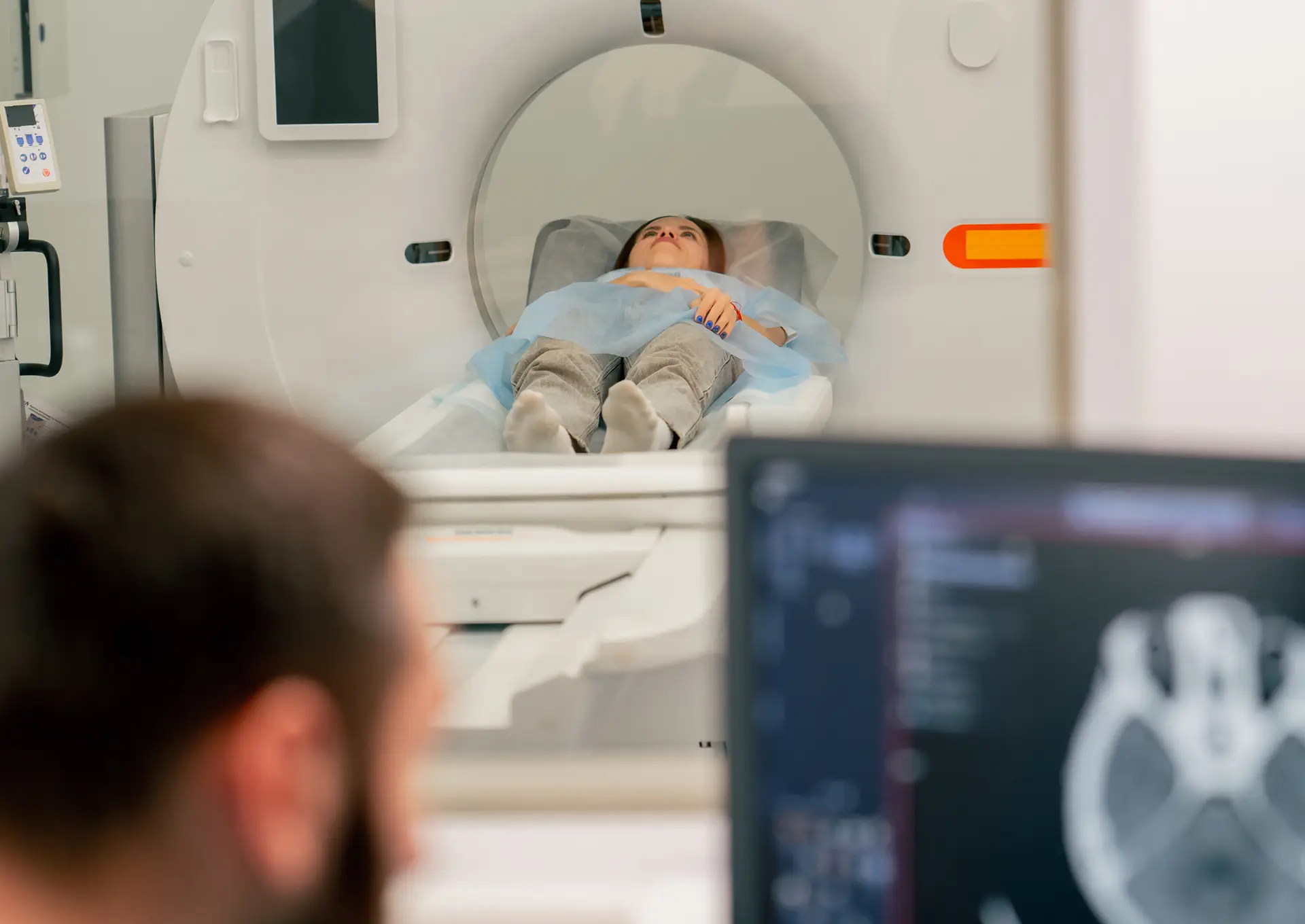
Stereotactic radiotherapy is also delivered on a Linac. Before treatment begins, a personalised treatment plan needs to be prepared for a patient. Whilst patients have often already had many diagnostic scans, it is necessary to attend for a dedicated radiotherapy planning scan. This is usually performed on a CT scanner. Some patients also have a planning MRI scan. These scans are performed in such a way that they can be used to prepare a course of radiotherapy. Patients are positioned carefully on the scanner, often using devices and supports to help them remain still and comfortable. Using these images, the radiotherapy team creates an individual treatment plan that calculates exactly how the radiation dose will be delivered. This planning process may take several days and undergoes rigorous quality checks before treatment starts.
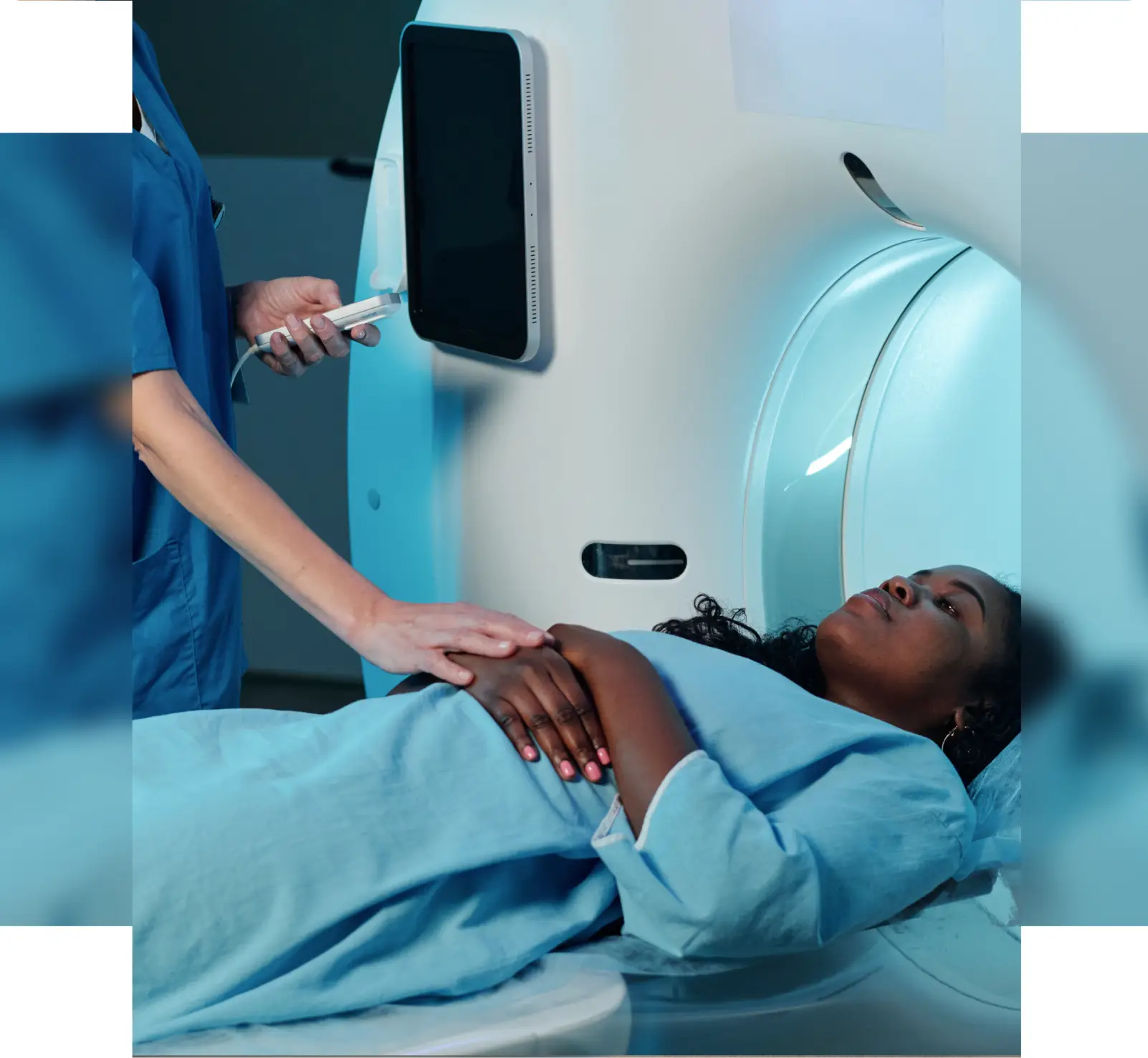
Stereotactic radiotherapy is given as an outpatient treatment. Patients lie on the radiotherapy treatment machine and a scan is performed to check the exact position of the tumour. When the radiotherapy machine is turned on, patients do not feel anything, but they may hear a buzzing sound. On a standard radiotherapy machine, it often only takes 1-2 minutes to deliver the treatment. It takes longer to deliver a dose of radiotherapy on a different type of radiotherapy machine called an MR Linac.
Once treatment has been delivered, staff will help a patient out of the treatment room, and they can go straight home. Patients are not radioactive after treatment and do not need to isolate from children or other people. Patients who drive are often able to drive themselves to and from appointments. Treatment is usually delivered on alternate working days. Patients are given appointments for all their treatment sessions before they start treatment.
How is stereotactic radiotherapy used to treat lung cancer?
Stereotactic radiotherapy is an established treatment for some patients with early-stage lung cancer – usually cancers less than 5cm in diameter which have not spread to local lymph nodes. SABR is a particularly useful treatment for patients who are not suitable for surgery due to other health conditions, or for patients who do not want to have an operation. SABR achieves cancer outcomes which are similar to surgery for early lung cancers.
In patients with early lung cancer, SABR is given with the intention of trying to cure patients of their cancer. Most patients tolerate SABR well, the most common side effect being minor fatigue. Other possible side effects include dry cough, shortness of breath, and a small risk of inflammation of the lung. A few patients can develop chest wall discomfort in the months or years after treatment, particularly if the cancer is close to the ribs.
When is stereotactic radiotherapy given to other areas of the body?
Stereotactic radiotherapy can be used to treat other primary cancers, such as hepatocellular carcinomas and pancreatic cancer, and also cancers which have started in one area of the body and have moved to another area. Stereotactic radiotherapy can be given to the lung, liver, lymph nodes, bone, spine, adrenal glands and brain (often called stereotactic radiosurgery, SRS).
‘Oligometastatic disease’ describes cancer that has spread beyond where it started, but only to a small number of sites – usually five or fewer. It sits between fully localised cancer and widespread metastatic disease. For carefully selected patients, targeting every visible site of disease with stereotactic ablative radiotherapy (SABR) can achieve long-term remission, and in some cases, extend life. Whether this approach is appropriate depends on the primary cancer type, the number and location of the sites of cancer spread, a patient’s treatment history and how a cancer has behaved over time.
SABR can also be used to treat small areas of cancer that are not being controlled by chemotherapy and immunotherapy. Patients may then have the opportunity to continue with the systemic therapy that is controlling cancer elsewhere. SABR can also be used as the most effective radiotherapy technique to reduce pain caused by cancer, in areas such as the spine.

Dr Peter Dickinson
Dr Peter Dickinson is a Consultant Clinical Oncologist renowned for his specialised expertise in treating thoracic malignancies and complex metastatic diseases. Utilising cutting-edge technologies like the MR Linac, he delivers highly precise Stereotactic Ablative Radiotherapy (SABR) that adapts to real-time tumour movements while protecting surrounding healthy tissue.
Deeply committed to both clinical research and empathetic care, Dr Dickinson meticulously tailors every treatment plan to ensure his patients clearly understand their diagnosis and receive the most advanced therapeutic options available.
What is the future of stereotactic radiotherapy?
Stereotactic radiotherapy is established as an effective tool in the treatment of cancer, but research into this technique continues at pace. Over time I predict it will become more common to deliver treatment in a single session rather than over 3-5 sessions for some cancers. An improved understanding of the genetics and biology of cancers will mean that doctors are better able to identify patients who will benefit most from stereotactic radiotherapy, and how we can better combine SABR with systemic therapies.
Summary
Stereotactic radiotherapy is an advanced, highly targeted form of radiotherapy that delivers high doses of radiation to tumours with great precision. It is commonly used to treat selected patients with early-stage lung cancer but can also be used to benefit patients who have a cancer that has moved to another part of the body. By targeting small areas of cancer while minimising damage to healthy tissue, stereotactic radiotherapy offers an effective treatment option that can often be completed in just a few treatment sessions.