
Systemic anti-cancer therapy (SACT) is the term for cancer treatments that travel through the bloodstream to treat cancer cells throughout the body. The field has advanced rapidly in recent years, with breakthroughs in immunotherapy, targeted treatments and improved chemotherapy regimens. For people with lung cancer and mesothelioma, these developments have led to more effective treatments, longer survival and improved quality of life.

Systemic cancer therapy refers to drug treatments that travel through the bloodstream to treat cancer cells throughout the body. Unlike radiotherapy, which targets a specific area, systemic treatments can reach cancer cells wherever they are. These treatments include chemotherapy, immunotherapy, and targeted therapies, each of which works in a different way to help control or eliminate cancer.
Systemic therapies can be used alone or alongside radiotherapy or surgery as part of a personalised treatment plan. The best approach depends on several factors, including the type of cancer, its stage, your overall health, and, in some cases, the genetic characteristics of the tumour itself.
Dr Dickinson develops an individual treatment plan for every patient, carefully balancing effectiveness, side effects, and your personal priorities. Using the latest clinical evidence and advances in cancer treatment, he works with you to choose the treatment strategy that offers the greatest potential benefit for your particular situation.
Dr Dickinson treats lung cancer and mesothelioma with systemic therapy.
Systemic therapy is frequently combined with stereotactic radiotherapy (SABR) in oligometastatic disease, helping to control cancer across the body while SABR targets the specific sites of spread. This combined approach is increasingly supported by clinical evidence, marking a shift away from systemic-only palliative care towards active, long-term disease control.
Chemotherapy and immunotherapy are often the main treatments for mesothelioma, although the best approach depends on the stage of the disease, where it is located, your overall health, and your individual circumstances. These treatments work throughout the body to help control cancer, slow its growth, reduce symptoms, and improve both quality of life and survival.
Dr Dickinson provides expert advice on the role of chemotherapy, immunotherapy and radiotherapy in mesothelioma treatment. Every recommendation is tailored to the individual, ensuring that patients receive a treatment plan based on the latest evidence, with a clear understanding of the potential benefits, risks and expected outcomes.
Systemic therapy can be used at different stages of lung cancer treatment. It may be recommended before or after surgery to reduce the risk of the cancer returning and to improve the chances of long-term control.
Systemic treatments can also be combined with radiotherapy, either during treatment or afterwards, to maximise the effectiveness of treatment and improve outcomes.
For advanced lung cancer that has spread beyond the lung, systemic therapy is often the cornerstone of treatment. Modern chemotherapy, immunotherapy and targeted therapies can help control the disease, prolong survival and improve symptoms.
Dr Dickinson uses the latest evidence and advances in cancer care to develop a personalised treatment strategy, ensuring that every patient receives the treatment most appropriate for their diagnosis, tumour biology and individual circumstances.

When recommending systemic therapy, the goal is always to achieve the best possible cancer control while keeping side effects to a minimum and helping you maintain your quality of life.
Most chemotherapy and immunotherapy treatments are given in cycles, with each cycle consisting of a treatment session followed by a recovery period that allows your body time to rest and recover. For example, treatment may be given once every three weeks. Many targeted therapies are taken as tablets at home, often on a daily basis.
Dr Dickinson will explain the potential benefits and possible side effects of your recommended treatment in clear, straightforward language. You will have the opportunity to ask questions and discuss any concerns so that you feel fully informed before making decisions about your care. You will also receive written information tailored to your treatment plan.
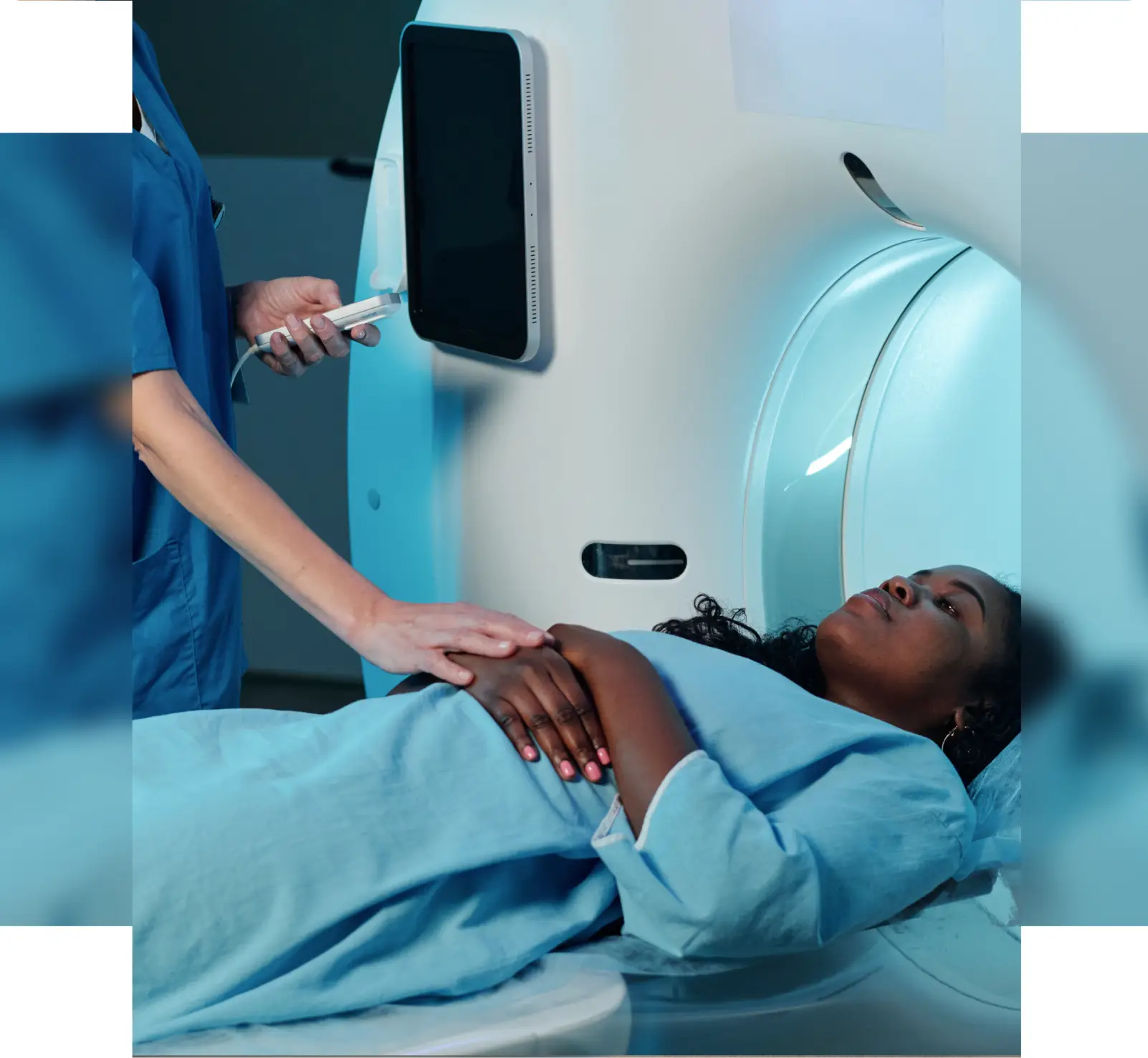
Dr Dickinson delivers intravenous treatments in a comfortable private infusion suite.
Treatment is provided as a day case, allowing you to return home the same day, and appointments typically last between one and several hours depending on the medication being given
You will have direct access to the team throughout treatment. If you experience new or worsening symptoms between appointments, please do not wait to get in touch.
You will be given a 24-hour telephone number to phone if you feel unwell.
The side effects of systemic cancer treatment vary from person to person and depend on the specific drugs being used. Many patients experience only mild side effects, while others may require additional support to manage them.
Fatigue is the most common side effect that patients experience when receiving chemotherapy. Pacing your activity, keeping up gentle movement and planning rest around treatment days all help.
Many people worry about feeling sick during chemotherapy, but modern anti-sickness medicines are highly effective and have made nausea much less common than it was in the past. Anti-sickness medication is prescribed routinely alongside chemotherapy and can usually prevent or greatly reduce symptoms.
If you experience nausea or your medication is not working as well as expected, it is important to let Dr Dickinson and his team know. Alternative treatments or additional medications can often provide better symptom control, helping you stay comfortable and maintain your quality of life during treatment
Because immunotherapy works by stimulating the immune system, it can can occasionally cause inflammation in normal parts of the body such as the lungs, bowel, liver or skin.
Dr Dickinson will ensure you understand the warning signs to look out for and how to access prompt specialist advice if they develop.
Hair loss is a common concern for many patients, but not all systemic therapies causes hair loss. The risk of hair loss depends entirely on the treatment you receive. In most cases hair loss is temporary, with regrowth occurring once treatment is complete.
Chemotherapy can temporarily lower your blood count, making it harder for your body to fight infections. Before treatment begins, Dr Dickinson and his team will ensure that you have access to a 24-hour telephone helpline, giving you rapid access to advice and support whenever you need it.
If you can't find the answer you're looking for here, please don't hesitate to get in touch.
Chemotherapy uses drugs that kill rapidly dividing cells, whereas Chemotherapy and immunotherapy are both important treatments for cancer, but they work in very different ways. Chemotherapy attacks rapidly dividing cancer cells directly, while immunotherapy helps your own immune system recognise and fight the cancer by removing some of the barriers that allow cancer cells to evade detection.
Because they work differently, these treatments have different benefits, side effects and roles in cancer care. Depending on your type of cancer and its stage, they may be used individually or in combination to achieve the best possible outcome.
Dr Dickinson will explain which treatment approach is most appropriate for your cancer, why it has been recommended, and what benefits and side effects you can expect. This ensures you can make informed decisions about your treatment with confidence.
Hair loss is understandably one of the most common concerns patients have about cancer treatment. However, not all systemic therapies cause hair loss, and the risk depends entirely on the specific treatment being used. When hair loss does occur, it is usually temporary, and hair will often begin to grow back once treatment has finished.
There are a number of ways to manage hair loss, including wigs, headscarves, hats and other head coverings. Dr Dickinson and his team will discuss the likelihood of hair loss before treatment begins, explain the support available, and help you choose the option that feels most comfortable and appropriate for you.
It is possible to continue to work, but it may be necessary to make adjustments around treatment days and rest periods. How you feel will depend on the drugs you are given, your role at work, and how your body responds. Some people feel well enough to maintain much of their routine; others prefer to scale back. Your treatment will be planned with your individual circumstances in mind and adapted if necessary.
Molecular testing is essential before starting any systemic therapy treatment for non small cell lung cancer. Your cancer's molecular profile tells us whether targeted therapy is a suitable treatment and gives an indication whether immunotherapy is likely to be effective as a single treatment, or whether it should be combined with chemotherapy. If your biopsy was taken recently, testing can usually be arranged from that same sample, without the inconvenience of another procedure.
This is something Dr Dickinson monitors closely throughout your care with regular scans and follow up appointments. If one treatment stops working, Dr Dickinson will discuss the best options available in those circumstances. This may involve changing to a different systemic therapy, using radiotherapy such as SABR, or entering a clinical trial. The focus is on keeping you informed at every stage and making sure you always understand the next steps available to you.

Your message has been received and will be read personally by Dr Dickinson. If you requested a response, someone from the team will be in touch within 2 working days. Your honesty genuinely helps us deliver better care to every patient we see.
Every patient's situation is different, and the quickest way to find out whether Dr Dickinson is the right specialist for you is to share a few details. Send a brief enquiry with your diagnosis and your most recent specialist letter to get started.