
An MR Linac combines a radiotherapy machine with MRI imaging. This is different to a conventional Linac which uses CT-based imaging. Using an MR Linac it is possible to track the location of the tumour and surrounding organs during every treatment. The radiotherapy plan can be recalculated each day before treatment to adjust for daily changes in tumour and organ position. Some patients benefit from treatment on the MR Linac as it allows a higher dose of radiation to be delivered to the tumour and a lower dose to healthy organs.
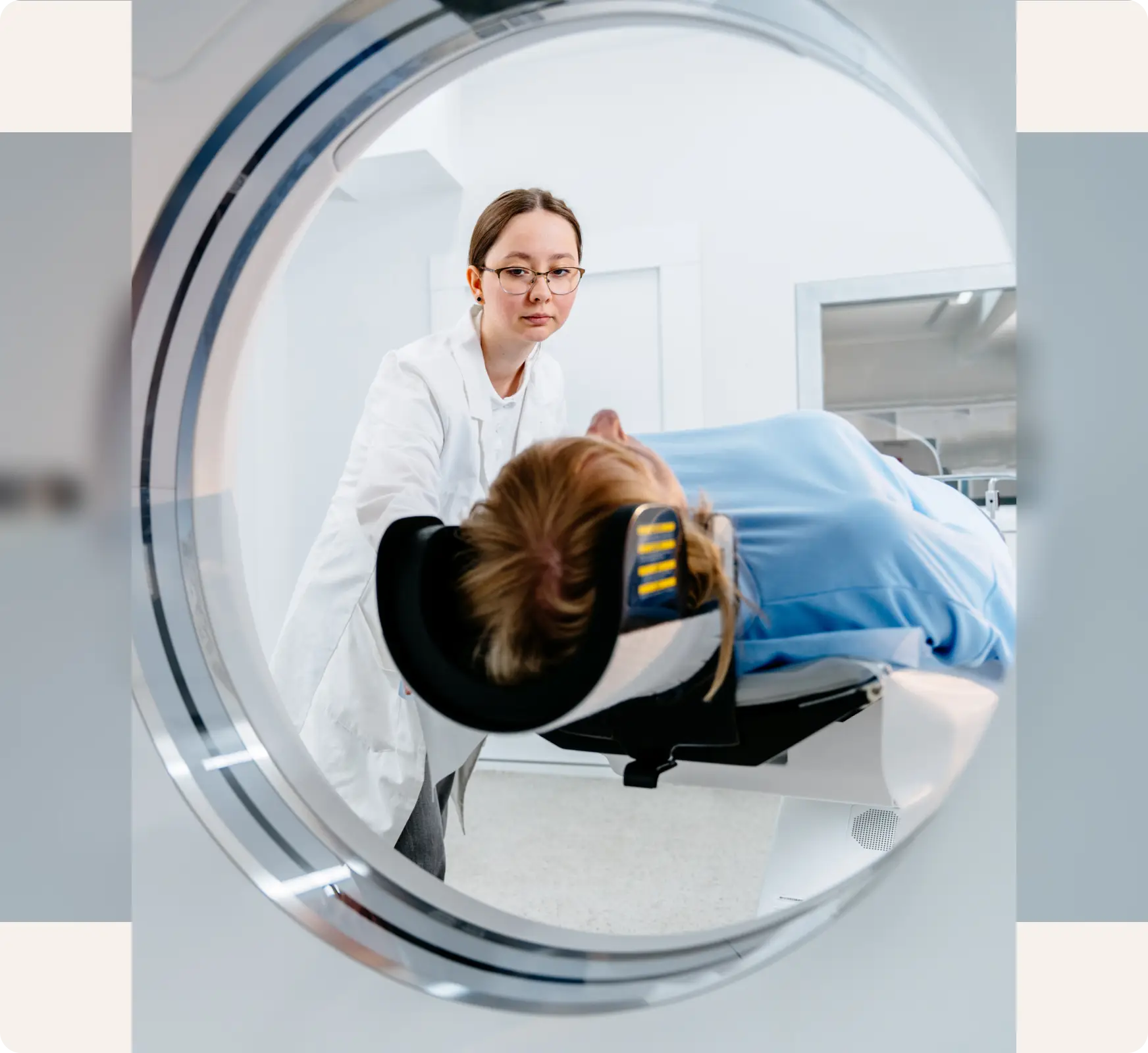
Some cancers are easier to see using MRI imaging compared to CT scans. MRI imaging can be used to diagnose cancer and assess how a cancer is responding to treatment. MRI scans can also be used to improve the accuracy of radiotherapy delivery. The MR Linac does these things:
MR-guided radiotherapy is particularly useful when treating cancers which are difficult to see on CT imaging, lie close to important organs, move with organ motion or are in an area that has previously been treated with radiotherapy.
Some tumours lie close to organs such as the bowel, which can shift position from day to day. The MR Linac recalculates the radiotherapy dose daily to account for this movement - increasing the dose to the tumour when the bowel moves away, and reducing the dose to the bowel when it moves closer, to limit the risk of side effects.
Some cancers, such as those in the liver, are hard to see on CT alone and move significantly with breathing. The MR Linac addresses both issues: tumours are easier to see on MR imaging, and the advanced radiotherapy machine can track movement in real time, turning the radiotherapy beam on and off as the patient breathes to minimise dose to nearby healthy organs.
When delivering radiotherapy to an area of the body which has been treated previously, it is important that the dose to nearby healthy organs is kept within safe limits. The MR Linac allows the position of those nearby organs to be monitored in real time and allows the radiotherapy plan to be recalculated every day, ensuring the dose to nearby normal organs is minimised.

Most courses of treatment on the MR Linac are delivered in three to eight treatment sessions. Treatment is usually delivered on alternate weekdays. Each appointment lasts forty to sixty minutes. A patient can leave the hospital as soon as their treatment has finished.
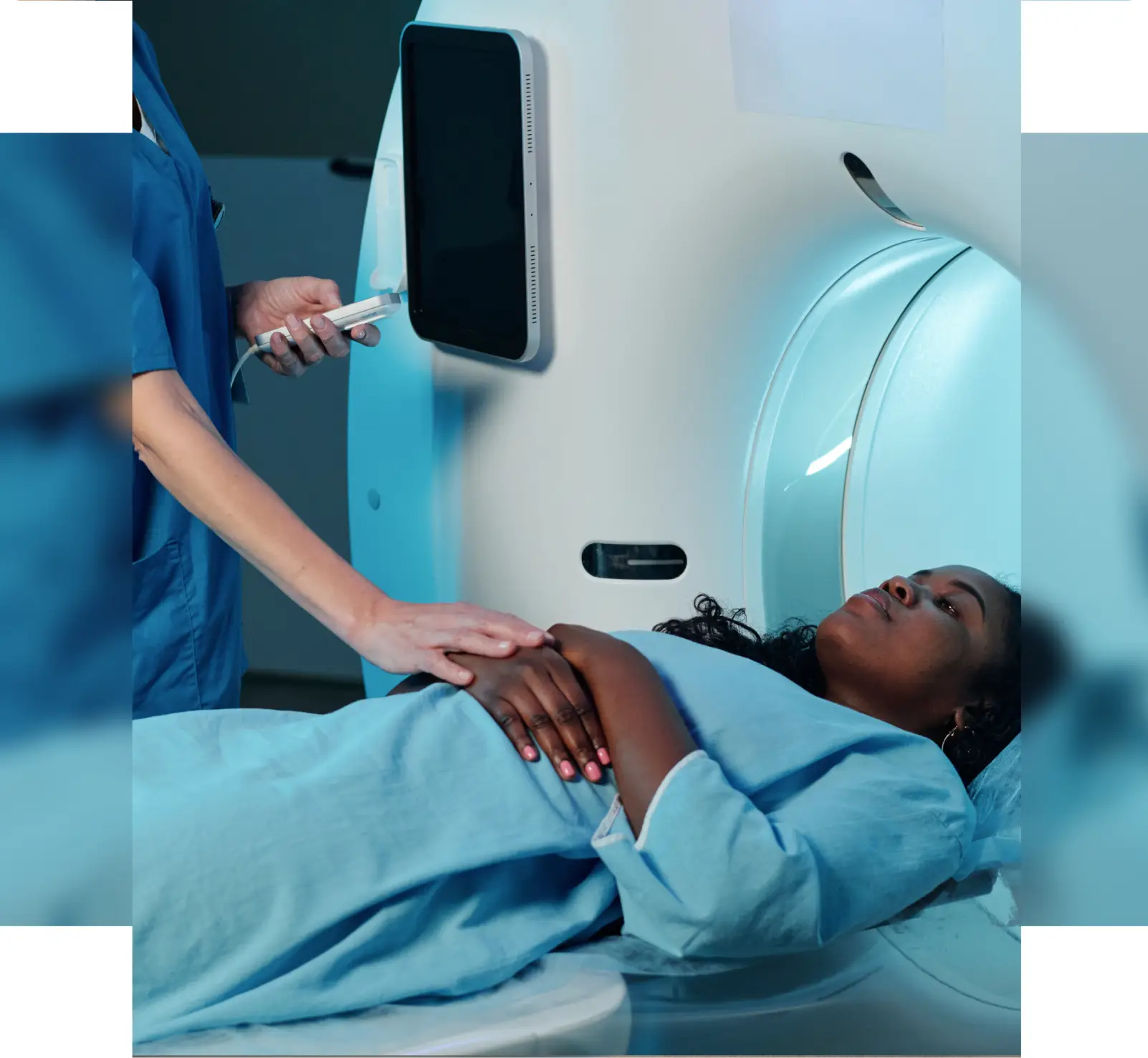
Patients answer a few simple safety questions before being taken into the treatment room. Patients then lie on the treatment machine for 30-60 minutes. MRI scanners can be noisy, so patients wear headphones or earplugs. Patients do not feel anything while the radiotherapy machine delivers treatment.
Dr Dickinson delivers MR-guided radiotherapy at GenesisCare's MR Linac centres. Treatment is currently available at Oxford, the Cromwell Hospital in London, and Guildford. GenesisCare is opening a new centre with an MR Linac in Leeds. The MR Linac in Leeds will treat patients from Spring 2027. Dr Dickinson is the lead clinician for the MR Linac service in Leeds.
The radiotherapy team supports patients during and after MR-guided radiotherapy. If you experience new or worsening symptoms between appointments, contact the team using the telephone numbers provided before your treatment starts.
The side effects associated with treatment on the MR Linac depend on the area of the body being treated. The MR Linac's advanced technology aims to minimise these as much as possible. Dr Dickinson will explain any potential side effects at your consultation, and you will have time to ask any questions you may have.
Fatigue is the most common side effect during radiotherapy. Pacing your activity, keeping up gentle exercise and planning rest around your treatment days all help. Treatment-related fatigue improves gradually in the weeks and months after treatment ends.
Radiotherapy to the chest can cause some people to develop a cough or feel more short of breath. There is a small risk of lung inflammation. Radiotherapy to the centre of the chest can cause the oesophagus (gullet) to become inflamed. This can cause temporary discomfort when swallowing and usually heals within 4-6 weeks after treatment ends.
Radiotherapy to the abdomen can cause some patients to experience nausea or a reduction in their appetite. This is usually mild, and the team will provide anti-sickness medicine as needed. Some patients need to open their bowels more frequently, or develop loose stool/diarrhoea. These symptoms usually settle within days to weeks after treatment. There is a small risk of longer term damage to the bowel. Dr Dickinson will discuss all potential side effects before treatment starts.
The skin in the treated area may become slightly red or dark during treatment. This usually fades in the weeks after treatment. Some patients do not notice any change in the skin following radiotherapy. The radiotherapy team will advise you on how to care for your skin. Radiotherapy to the chest, abdomen or pelvis does not cause people to lose the hair on their head.
Yes. A personalised treatment plan needs to be prepared before a course of treatment before can start. This usually involves a CT scan and a scan on the MR Linac 1-2 weeks before your treatment starts. These scans are taken in a way in which they can be used to calculate a radiotherapy plan, and so are still required even if you have had recent CT and MRI scans elsewhere.
Each appointment is typically forty to sixty minutes from arrival to leaving. You are able to communicate with the radiotherapy team whilst you are laid on the treatment machine.
The MR Linac and a conventional Linac deliver the same type of radiation, but in certain circumstances the dose to the cancer is higher, and the dose to adjacent healthy organs is lower when treatment is delivered on the MR Linac. Clinical trials continue to investigate whether treatment on the MR Linac leads to better long-term cancer outcomes, and early data are encouraging. For some cancers, conventional radiotherapy is equally effective and can be more convenient. Dr Dickinson will advise which technology is most appropriate to treat a cancer.
Just like a standard MRI machine, the MR Linac is surrounded by a powerful magnetic field. If you have previously been told that it is not safe for you to have an MRI scan, it is likely that you will not be suitable for treatment on the MR Linac. This includes patients with metal implants such as a pacemaker or metal clips from previous surgery that are not MRI-compatible. Joint replacements, such as hip and knee replacements, are permitted on the MR Linac. The radiotherapy team will ask you a series of questions before you enter the MR Linac treatment room to ensure that it is safe for you. You can discuss this with Dr Dickinson prior to starting your treatment.
The MR Linac can monitor the position of the tumour and nearby organs in real time. The MR Linac can track tumour motion during treatment delivery. The radiation beam can be turned on and off as the tumour moves to ensure that the dose is delivered to the correct area. Some patients are asked to hold their breath for a few seconds during treatment delivery. The radiotherapy team will give you clear instructions and help you practise. The radiotherapy beam pauses when you start breathing again.
Dr Dickinson only uses the MR Linac to treat patients with stereotactic radiotherapy. This delivers high doses of radiotherapy in a short number of treatment sessions. If Dr Dickinson believes your cancer would benefit from treatment on an MR Linac, he discusses your case in a national meeting with other Consultant Clinical Oncologists to give reassurance that this is the most appropriate treatment. If the national panel agrees, Dr Dickinson can then request your treatment.

Your message has been received and will be read personally by Dr Dickinson. If you requested a response, someone from the team will be in touch within 2 working days. Your honesty genuinely helps us deliver better care to every patient we see.
Every patient's situation is different, and the quickest way to find out whether Dr Dickinson is the right specialist for you is to share a few details. Send a brief enquiry with your diagnosis and your most recent specialist letter to get started.