
A diagnosis of lung cancer can turn life upside down, and one of the first questions many people ask is, “What happens next?” As a Consultant Clinical Oncologist, Dr Dickinson cares for people with lung cancer every day and understands how important it is to have clear information and time to talk through your concerns.
During your consultation, he will explain your diagnosis, test results, and treatment options in clear, straightforward language, helping you understand what they mean for you. There will be plenty of opportunity to ask questions, and you can expect honest, balanced advice tailored to your individual situation.
Dr Dickinson provides access to a wide range of modern cancer treatments, including stereotactic ablative radiotherapy (SABR), MR-guided radiotherapy, chemotherapy, immunotherapy, and targeted therapies. Once lung cancer has been diagnosed, it is important to begin any recommended treatment promptly. Dr Dickinson and his team will work with you to ensure that investigations, decisions, and treatment plans progress as quickly and smoothly as possible.

Being diagnosed with lung cancer can feel overwhelming. At a time like this, having clear information and expert guidance can make all the difference.
Lung cancer is not a single disease, and there is no one treatment that is right for everyone. The best treatment approach depends on the type and stage of the cancer, your overall health, and your personal circumstances and preferences.
Every treatment recommendation should be tailored to both the individual patient and their specific cancer. Dr Dickinson takes the time to understand your situation in detail and will work with you to develop a treatment plan that is personalised, evidence-based, and aligned with your goals
Below are the main types of lung cancer and related conditions treated by Dr Dickinson.
Many people delay seeking help because they attribute symptoms to other causes: a persistent cough, breathlessness, or fatigue blamed on a cold, an old smoking habit, or simply getting older. Early diagnosis significantly improves your treatment outcome. If you, or someone you care for, has experienced any of the following symptoms for a number of weeks, you should consult your GP.
A cough lasting three weeks or more that is not explained by an infection or other known cause, or a change in character of a long-standing cough.
Shortness of breath or wheezing that is new, progressively worse, or out of proportion to your fitness level.
Chest pain that does not go away or gets worse over time.
Even small amounts of blood in sputum (haemoptysis) should be investigated promptly. Do not wait to see whether it resolves - this is one of the highest-priority symptoms for urgent referral.
Significant weight loss with no obvious dietary or lifestyle reason, often accompanied by a loss of appetite. This is common in many cancers, including lung cancer.
Fatigue that does not improve with rest and is out of proportion to your activity levels. Distinct from everyday tiredness, this is a deep exhaustion that interferes with normal daily life.
Chest infections that keep returning or take much longer than usual to improve. A tumour can block an airway and cause recurring infection in the same area, which should always be investigated.
A persistent change in the voice, particularly hoarseness lasting more than two or three weeks. This can be caused by a tumour pressing on the nerve that controls the voice box.
Radiotherapy, drug treatments such as chemotherapy, immunotherapy and targeted therapies, and surgery all play an important role in the treatment of lung cancer. When lung cancer is diagnosed at an early stage, treatment can often be given with the aim of curing the disease.
Even when lung cancer is more advanced, modern treatments can frequently control the disease for prolonged periods, helping patients to live longer and maintain a good quality of life.
The most appropriate treatment, or combination of treatments, depends on several factors, including the stage of the cancer, the specific type of lung cancer, and its individual characteristics. Dr Dickinson will explain which options are most suitable for your situation and why.
Below is an overview of the treatments that may be available at each stage of lung cancer.
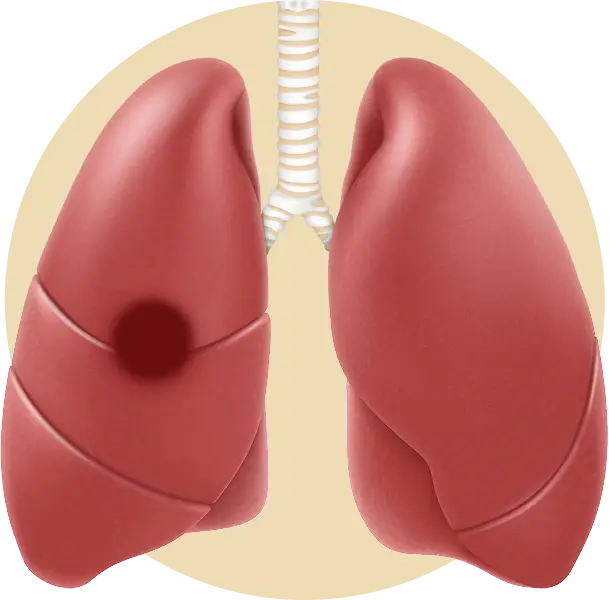
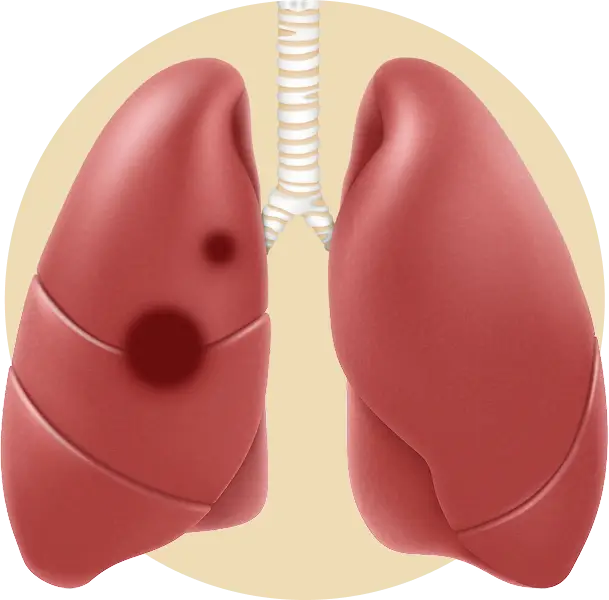
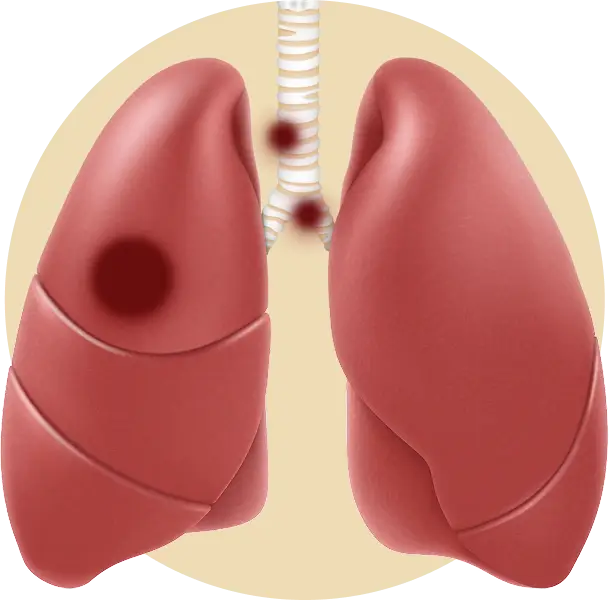
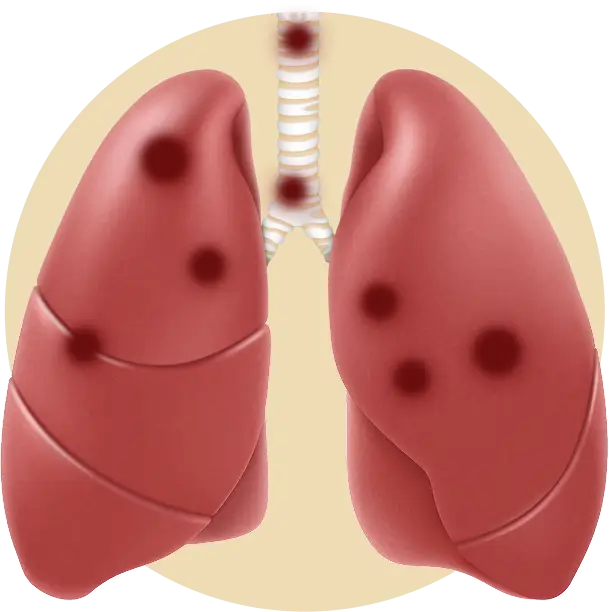
Every lung cancer journey is unique. The treatment that is right for you will depend on the type and stage of your cancer, your overall health, and your personal priorities and goals. Dr Dickinson uses a range of modern radiotherapy and drug treatments, often in combination, to create an individualised treatment plan designed to achieve the best possible outcome for you.
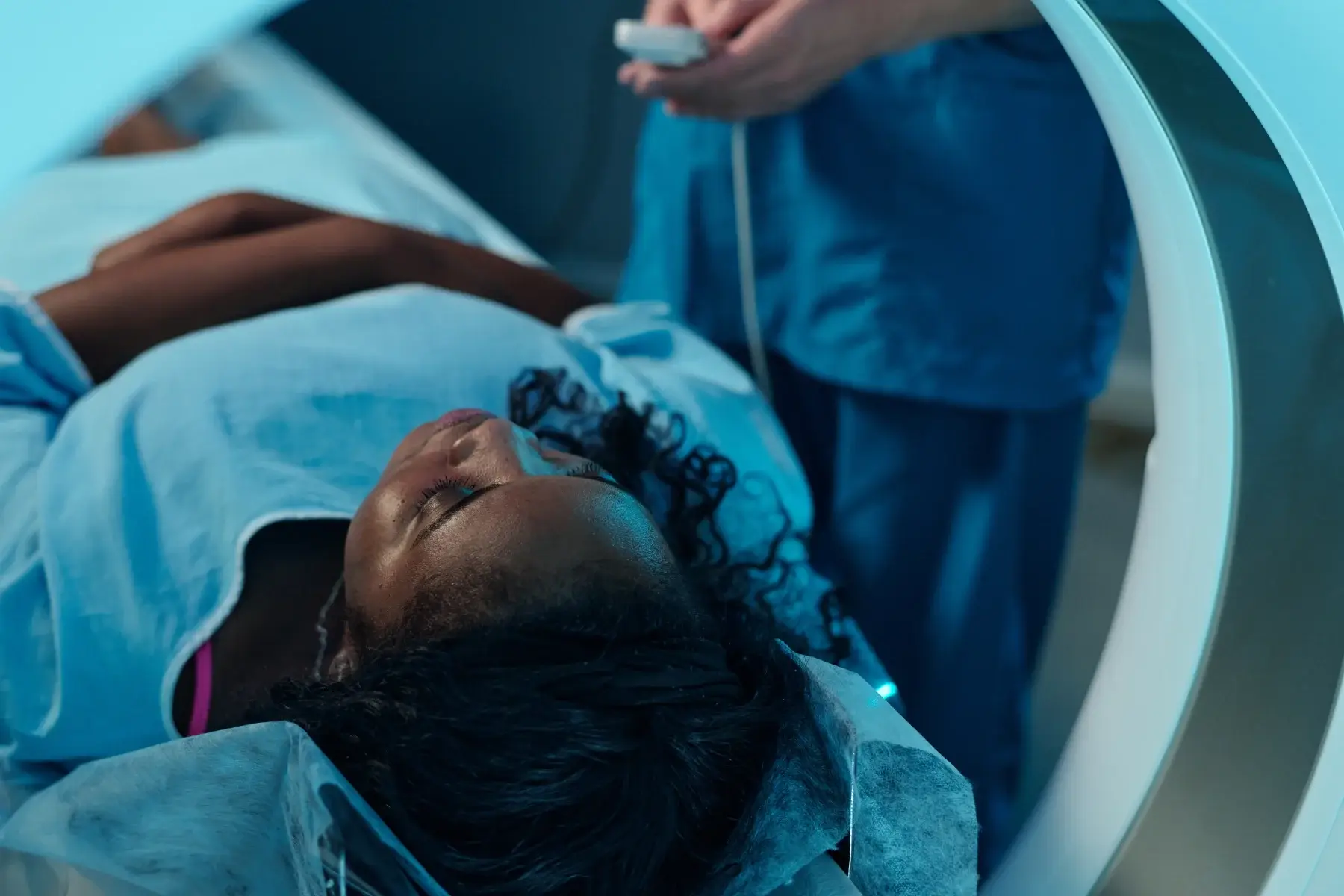
Precise, high-dose radiotherapy delivered in a small number of sessions. Highly effective for early-stage lung cancer and for patients whose cancer has spread to a limited number of sites (oligometastatic disease).
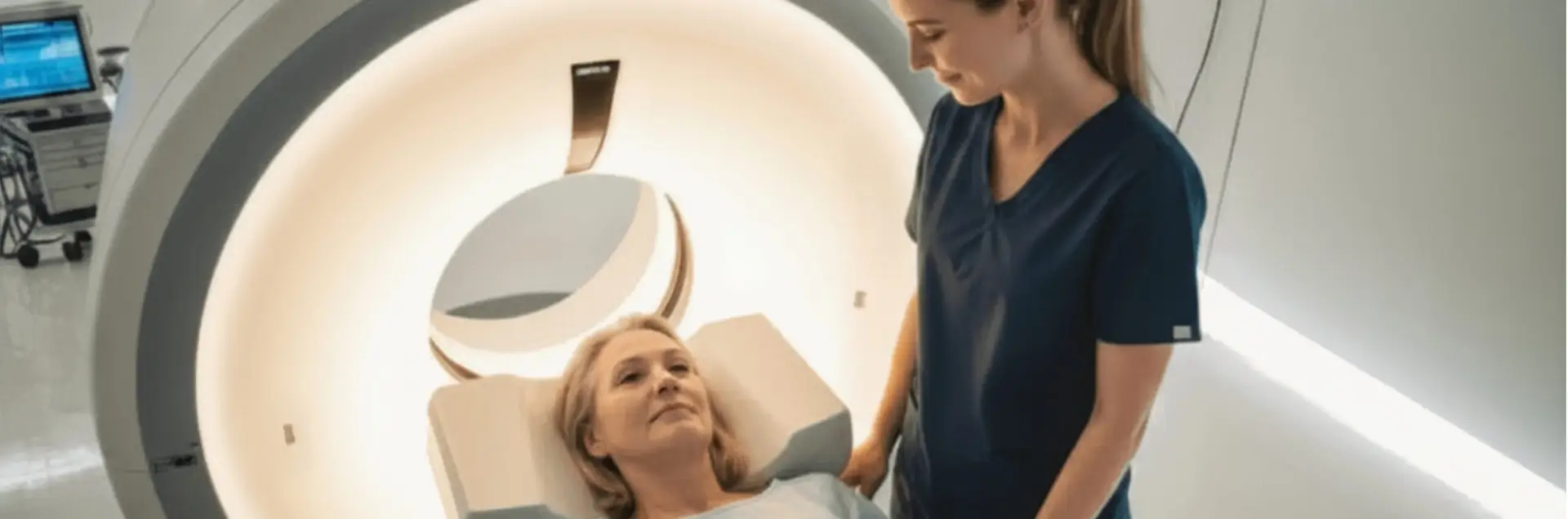
MRI-guided radiotherapy that tracks movement of a cancer in real time as a patient breathes and organs move. The radiotherapy plan can be recalculated daily, allowing Dr Dickinson to treat tumours close to important organs with a confidence that conventional radiotherapy cannot match. Dr Dickinson leads the Elekta Unity MR Linac service at GenesisCare Leeds.

Systemic therapy treatments work throughout the body, and can be used in the treatment of both locally advanced and metastatic lung cancer. Immunotherapy and new targeted agents have transformed survival for many patients in recent years. Genetic testing is critical for all stages of lung cancer. Identifying changes in genes such as EGFR and ALK can make targeted treatments an option.

Conventional radiotherapy is usually given over a series of treatment sessions spread across several days or weeks. It is used when stereotactic radiotherapy (SABR) is not the most suitable radiotherapy option. In some situations, radiotherapy is combined with chemotherapy to improve its effectiveness.
Conventional radiotherapy can also be very effective in relieving symptoms caused by cancer, such as a persistent cough, shortness of breath, coughing up blood, or pain.
When you are facing lung cancer, it is important to know that your care is being guided by someone with extensive specialist experience. Dr Dickinson has devoted his career to treating lung cancer, developing new treatment approaches, and contributing to research aimed at improving patient outcomes. Below you can learn more about the experience that underpins his approach to care.
If you can't find the answer you're looking for here, please don't hesitate to get in touch.
Lung cancer treatment can be very effective, particularly when the disease is diagnosed at an early stage. Many patients with early-stage lung cancer can be treated with the aim of curing their cancer using surgery, stereotactic radiotherapy (SABR), conventional radiotherapy, drug treatments, or a combination of these approaches.
Even when a cure is not possible, modern lung cancer treatments can often control the disease for long periods. Advances in radiotherapy, chemotherapy, immunotherapy, and targeted therapies mean that many patients are living longer and maintaining a good quality of life
Chemotherapy and other drug treatments play an important role in the treatment of lung cancer. Depending on your individual situation, these treatments may be used alone or alongside surgery or radiotherapy.
For patients with more advanced lung cancer, treatments such as chemotherapy, immunotherapy, and targeted therapies can often slow or control the disease, relieve symptoms, improve quality of life, and help people live longer.
The role of these treatments varies from patient to patient and depends on the type of lung cancer, its stage, and its individual characteristics. Dr Dickinson will recommend systemic therapy when it adds value to your overall treatment plan.
During your consultation, Dr Dickinson will explain the potential benefits, possible side effects, and expected outcomes of treatment, helping you make an informed decision about the approach that is right for you.
Staging describes how large a lung cancer is and whether it has spread to nearby lymph nodes or other parts of the body. To determine the stage, doctors use a combination of scans, such as CT and PET, and sometimes biopsy procedures.
Knowing the stage of your lung cancer is one of the most important steps in planning treatment. It helps Dr Dickinson decide whether the cancer should be treated with surgery, radiotherapy, drug treatments, or a combination of these approaches. Accurate staging also provides information about the likely outlook and ensures that you receive the most appropriate treatment for your individual situation.
Costs vary depending on the treatment you need, the number of sessions involved, and whether you are funding your care privately or through medical insurance. You will always receive a clear, written estimate before anything is booked, so there are no surprises. If you hold private medical insurance, Dr Dickinson's practice team will help you confirm your cover before your first appointment.
Lung cancer is not just a disease that affects smokers. In the UK, a significant number of people diagnosed with lung cancer have never smoked. Lung cancer can be associated with a range of factors, including exposure to radon gas, second-hand smoke, asbestos, air pollution, and inherited genetic changes. In some cases, no clear cause can be identified.
Lung cancers that develop in people who have never smoked are often biologically different from those linked to smoking. They are more likely to contain specific genetic changes that can be targeted with modern treatments known as targeted therapies. These treatments can be highly effective for selected patients, which is why detailed genetic testing of lung cancer is now an essential part of treatment planning.
By understanding the unique characteristics of your cancer, Dr Dickinson can identify the treatments most likely to benefit you and create a more personalised treatment plan.
Seeking a second opinion is an increasingly common step, and should not be seen as a criticism of your current team. It can offer reassurance that your existing plan is the right one, or open up additional options - such as SABR, MR-guided radiotherapy, or re-irradiation - that may not have previously been discussed. A second opinion is particularly worth considering if you might benefit from treatment which is not offered by the NHS, or if your current centre does not have access to technology such as the MR Linac.
A second opinion does not always recommend a change to your current treatment plan, but can give you reassurance about the decisions which have already been made. If you would like Dr Dickinson to review your case, please send your scans and clinical letters in advance of our appointment so that our time together is as productive as possible.

Your message has been received and will be read personally by Dr Dickinson. If you requested a response, someone from the team will be in touch within 2 working days. Your honesty genuinely helps us deliver better care to every patient we see.
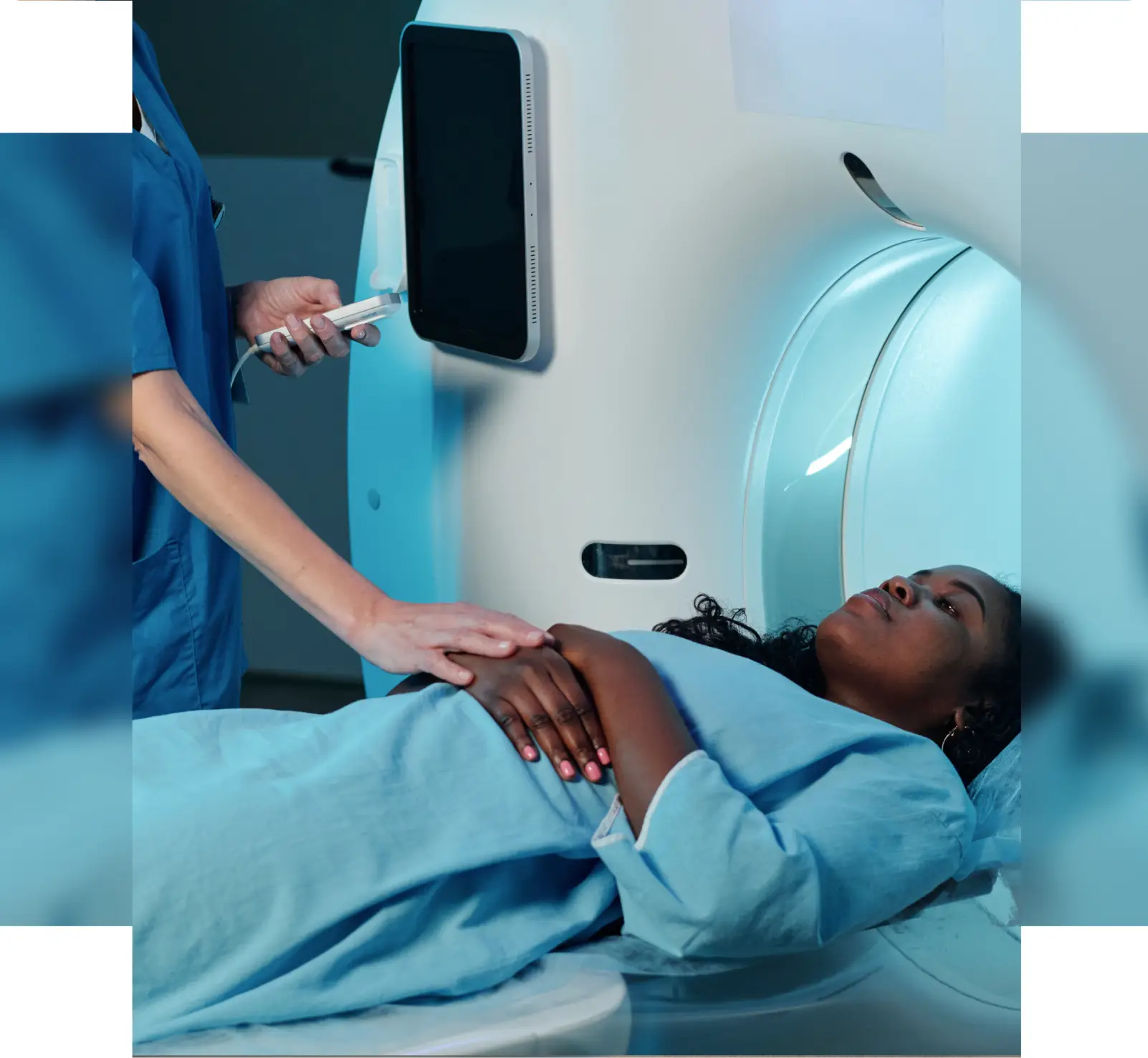
Every patient's situation is different, and the quickest way to find out whether Dr Dickinson is the right specialist for you is to share a few details. Send a brief enquiry with your diagnosis and your most recent specialist letter to get started.