
Oligometastatic disease is a term used when a cancer has spread from its original site to only a small number of other areas in the body. While the cancer has spread, having only a limited number of metastases can sometimes allow these areas to be treated directly, alongside any other treatments you may be receiving.
Treatment options for oligometastatic disease may include radiotherapy, surgery, interventional radiology procedures, drug treatments such as chemotherapy, immunotherapy or targeted therapy, or a combination of these approaches. The most appropriate treatment will depend on the type of cancer, where it has spread, and your individual circumstances.
Dr Dickinson specialises in treating oligometastatic disease using stereotactic ablative radiotherapy (SABR), a highly precise form of radiotherapy that can effectively target small areas of cancer while minimising radiation to surrounding healthy tissues. He was involved in introducing SABR for metastatic cancer at Leeds Teaching Hospitals and is a member of a national specialist SABR multidisciplinary team, where complex cases are reviewed by experts from across the UK. He also supports and mentors other clinicians and hospitals in developing SABR services.
Dr Dickinson is experienced in delivering SABR using both conventional linear accelerators (Linacs) and MR-guided radiotherapy (MR Linac). He can advise on the most suitable technology for your individual situation, helping to ensure treatment is delivered as safely and effectively as possible.
He offers SABR for suitable metastases in a range of locations, including the spine, bones, lymph nodes, adrenal glands, lungs, and liver. During your consultation, he will review your scans and test results in detail and discuss whether SABR may be an appropriate treatment option as part of your overall care plan.

Sometimes, when cancer has spread to several areas of the body, most of the disease remains well controlled by treatments such as chemotherapy, immunotherapy, or targeted therapy, while one or two areas start to grow. This is known as oligoprogressive disease.
Oligoprogression occurs when a small number of cancer deposits become resistant to treatment, even though the treatment is continuing to work well elsewhere in the body.
In this situation, stereotactic radiotherapy (SABR) can be used to target the areas that are growing while allowing you to continue with the systemic treatment that is controlling the rest of your cancer. By treating these resistant areas early, it may be possible to delay the need to change to a different treatment and help you gain the maximum benefit from each line of therapy.
This personalised approach can help maintain disease control for longer, preserve future treatment options, and allow patients to continue treatments that are otherwise working well.
Dr Dickinson specialises in stereotactic radiotherapy for oligoprogressive disease.
Cancer that has spread to the spine can sometimes cause significant symptoms, particularly pain. Radiotherapy has been used for many years to relieve pain, strengthen cancer control, and help patients maintain their quality of life.
Dr Dickinson specialises in stereotactic radiotherapy (SABR) for spinal metastases. SABR is a highly precise form of radiotherapy that can deliver a higher dose of treatment to the tumour. Studies have shown that in some patients SABR can provide more effective pain relief than conventional radiotherapy.
Treating cancer in the spine can be complex and may require input from several specialists. Where appropriate, Dr Dickinson can arrange a rapid assessment by a specialist spinal surgeon, ensuring that your care is guided by a multidisciplinary team with expertise in both cancer treatment and spinal conditions.
Spinal SABR is one of the most technically demanding forms of radiotherapy and requires careful planning and specialist experience. Dr Dickinson helped establish the Rapid Access Spine SABR Pathway at GenesisCare, designed to allow suitable patients to start treatment quickly, often within just a few days of referral.
Some areas of cancer spread to the bone may not cause symptoms at first, but they can weaken the bone and increase the risk of future problems such as fractures or pain. In selected patients, stereotactic radiotherapy (SABR) can be used to treat these higher-risk areas, helping to strengthen cancer control and reduce the likelihood of complications developing later on.
By treating vulnerable bone metastases before they cause symptoms, SABR may help patients maintain their mobility, independence, and quality of life, while reducing the need for more invasive treatments in the future.
The best treatment for oligometastatic disease is highly individual and should be tailored to your specific situation. Factors such as the number of metastases, their location, the type of cancer, how the disease is behaving over time, and any current or planned drug treatments all play an important role in deciding the most appropriate approach.
Dr Dickinson will carefully review your scans, test results, and treatment history, and will work closely with the other specialists involved in your care to develop a personalised treatment plan. The goal is to identify the treatment strategy most likely to control the cancer, preserve your quality of life, and achieve the best possible outcome.
Depending on your circumstances, a range of treatment options may be considered. Dr Dickinson offers the following specialist treatments for patients with oligometastatic disease:
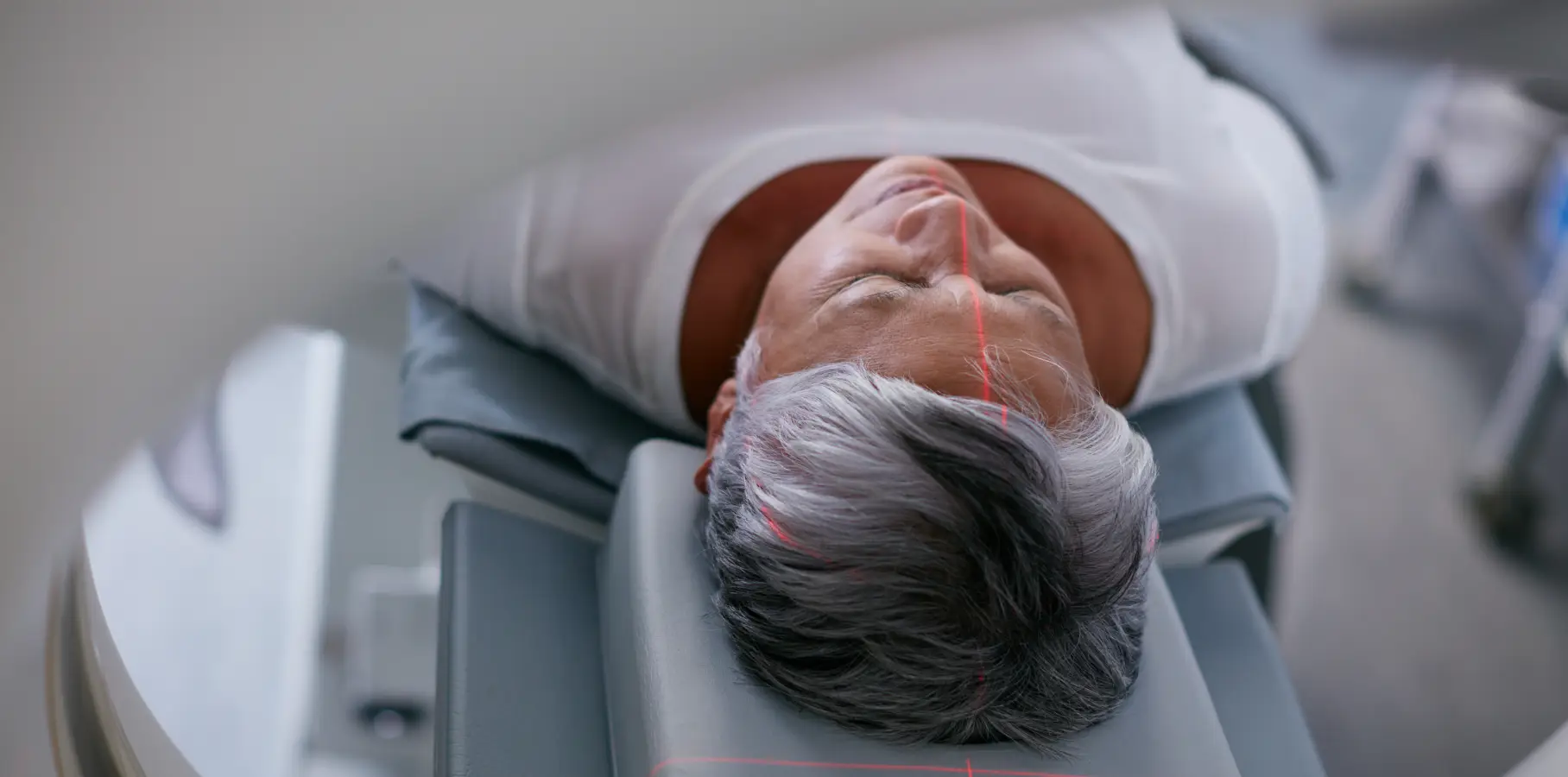
Stereotactic ablative radiotherapy (SABR) is a highly precise form of radiotherapy that delivers a powerful, targeted dose of treatment to cancer deposits in as few as one to eight treatment sessions.
For many patients with oligometastatic disease, SABR is a key treatment option.
SABR can be used to treat metastases in a range of locations, including the bones, lungs, lymph nodes, liver, and adrenal glands. It is a non-invasive treatment, often with a low risk of side effects and minimal disruption to day-to-day life.
Dr Dickinson has extensive experience delivering SABR and will advise whether this advanced treatment is appropriate for your individual situation
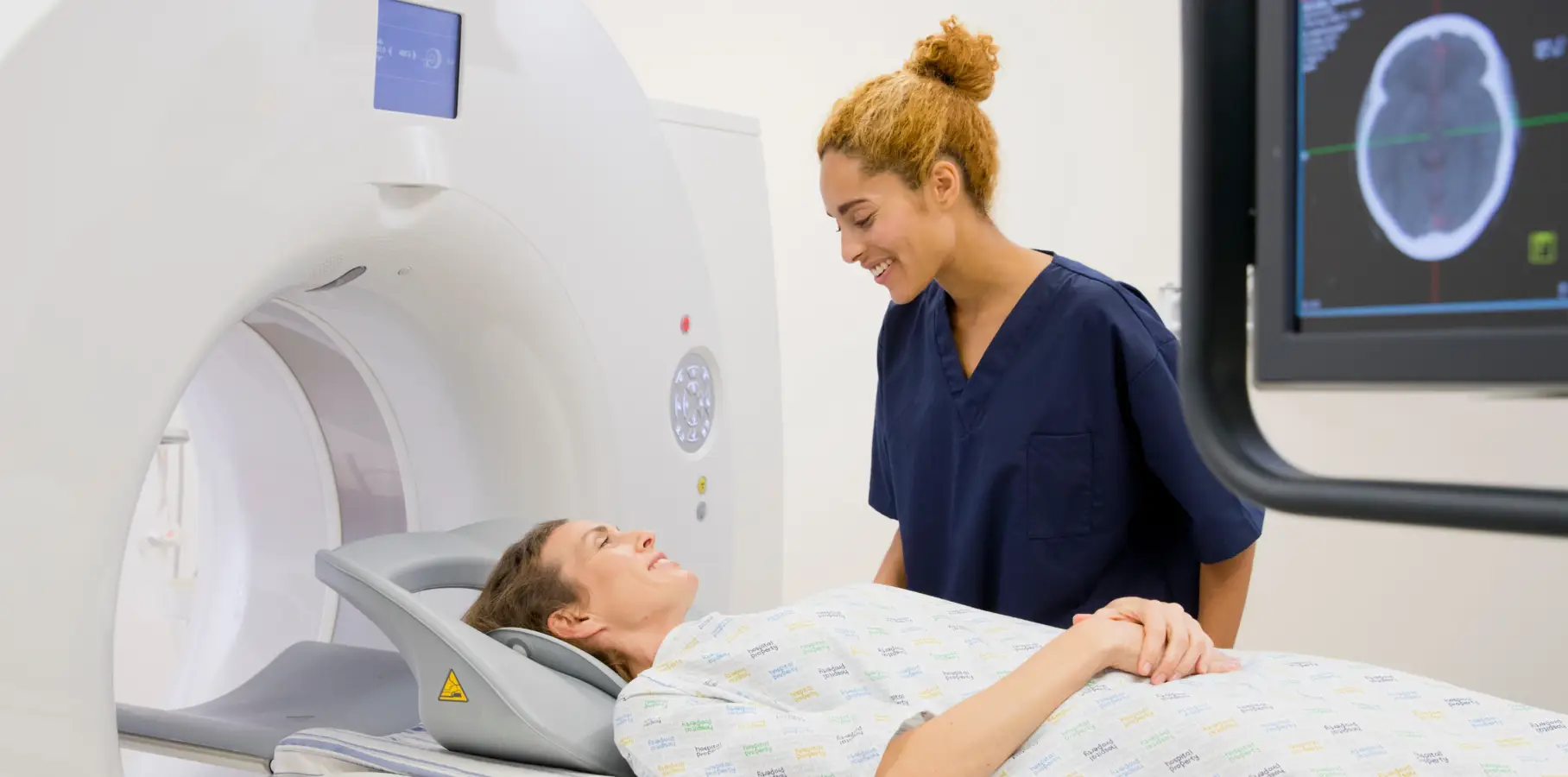
Some cancer metastases are best treated on the MR Linac because of their location relative to other organs, movement, or because that area of the body has been treated with radiotherapy previously. MRI-guided radiotherapy allows the radiotherapy plan to be recalculated every day to optimise your treatment.
Dr Dickinson is the lead clinician for the Elekta Unity MR Linac programme at GenesisCare Leeds.

Modern cancer treatment increasingly combines drug treatments, such as chemotherapy, immunotherapy, or targeted therapies, with focused treatments such as stereotactic radiotherapy (SABR) or surgery. These approaches work in different but complementary ways.
SABR or surgery can be used to target and treat the visible areas of cancer, while systemic therapy treatments circulate throughout the body to treat cancer cells that may be too small to be seen on scans. By combining these treatments, it is often possible to achieve better and longer-lasting cancer control than with any one treatment alone.
Dr Dickinson has extensive experience in integrating SABR with systemic treatments for patients with lung cancer. For patients with other cancer types, he works closely with the specialist overseeing your drug treatment to ensure that radiotherapy is carefully coordinated with the rest of your care. This collaborative approach helps deliver treatment safely, effectively, and at the most appropriate time.
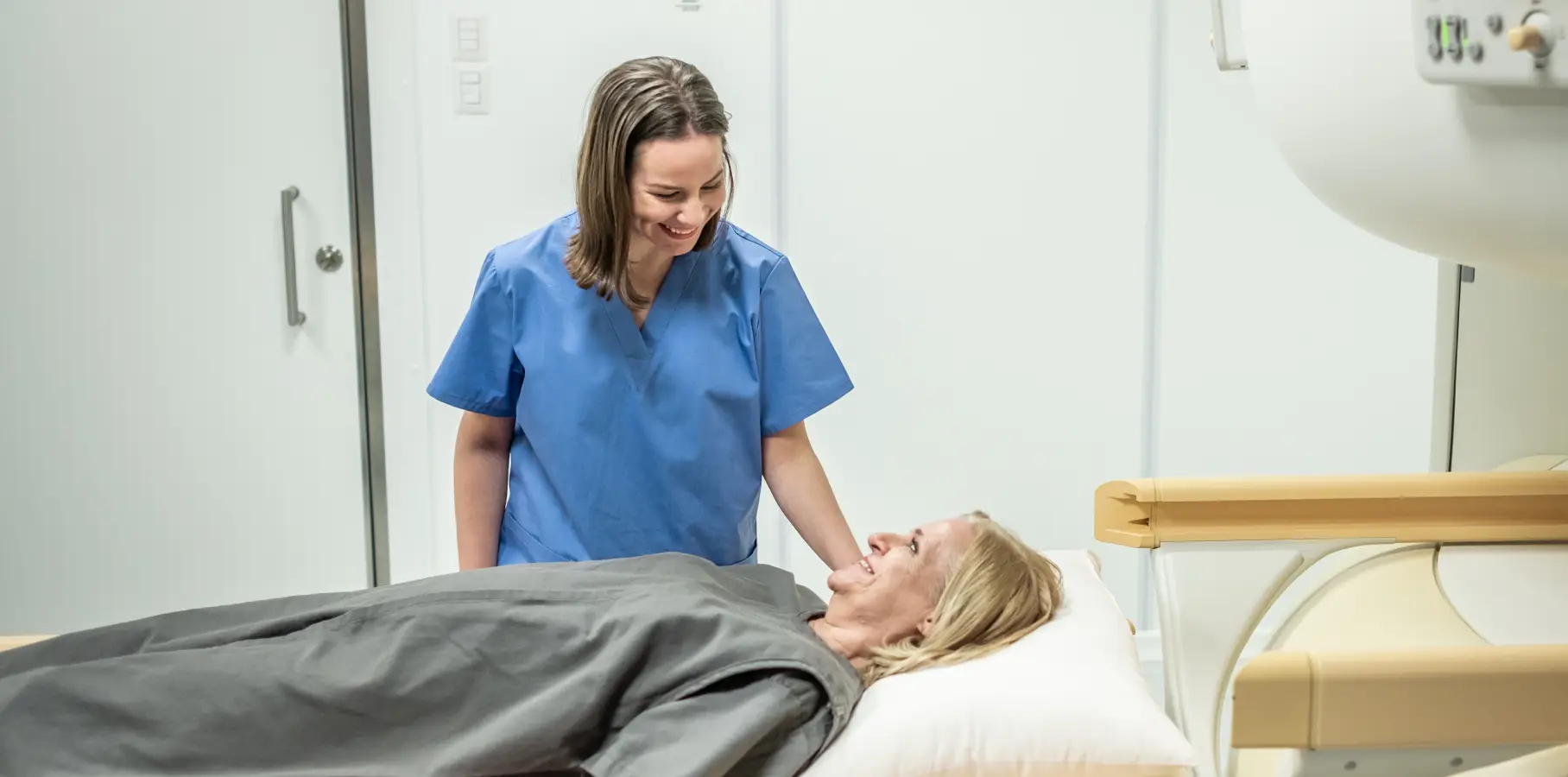
Not every metastasis is suitable for stereotactic radiotherapy (SABR). In some situations, conventional radiotherapy may be a better option.
Conventional radiotherapy is delivered over a number of treatment sessions and can be used to treat larger areas of cancer, cancers that are close to or involving important organs, or situations where a more gradual approach to treatment is needed.
This type of radiotherapy remains a highly effective way of controlling cancer, relieving symptoms, and reducing the risk of future complications. It can help shrink tumours, ease pain, improve breathing, and maintain quality of life for many patients.
Dr Dickinson has extensive experience in delivering both conventional radiotherapy and stereotactic radiotherapy. He will carefully review your scans and recommend the approach that offers the greatest benefit while keeping the risk of side effects as low as possible. In some cases, conventional radiotherapy may be used alongside other treatments, such as chemotherapy, immunotherapy, or targeted therapies, as part of a personalised treatment plan.
Dr Dickinson has extensive experience in the treatment of oligometastatic disease
Not every metastasis is suitable for stereotactic radiotherapy (SABR), and deciding whether it is the right treatment involves carefully considering several factors.
The first consideration is the metastasis itself. Factors such as its size, location, proximity to important organs, and any previous treatments you have received can all influence whether SABR can be delivered safely and effectively.
The second consideration is the overall behaviour of the cancer. Dr Dickinson will look at how many metastases are present, how quickly the cancer is changing, and how well it is responding to treatments such as chemotherapy, immunotherapy, or targeted therapy.
Finally, it is important that you are well enough to undergo treatment and are likely to benefit from it. Your general health, mobility, and personal treatment goals are all taken into account.
Dr Dickinson will review all of these factors in detail and discuss whether SABR is likely to be the most appropriate option for your situation. If another treatment approach is more suitable, he will explain the alternatives and the reasons for his recommendation.
Stereotactic radiotherapy (SABR) is funded by the NHS for patients who meet specific national eligibility criteria. While these guidelines allow many patients to access treatment, there are situations where a patient may be considered a good candidate for SABR but does not meet the current NHS funding requirements. In these circumstances, treatment may still be available in the private sector.
Not all patients who fall outside NHS funding criteria will be suitable for SABR. For example, factors such as the size or location of a tumour, its proximity to important organs, or previous treatments may affect whether SABR can be delivered safely and effectively. Dr Dickinson can review your scans and medical history and provide an expert opinion on whether SABR is a suitable option for you.
In general, the NHS will offer SABR for up to three metastases in patients who develop oligometastatic disease more than six months after the primary cancer was treated. The NHS does not routinely commission SABR as treatment for oligoprogressive disease. Outside the NHS, on a case-by-case basis, Dr Dickinson can offer treatment of up to 5 metastases, without time constraints, or to three to five sites of oligoprogressive disease.
A course of stereotactic radiotherapy is usually delivered in one, three, five or eight sessions. Treatment is usually scheduled on alternate week days.
If you have more than one area of cancer requiring treatment, it may sometimes be possible to treat multiple sites during the same visit. In other situations, Dr Dickinson may recommend treating different areas on separate days to ensure treatment is delivered as safely and effectively as possible.
Radiotherapy sessions usually last less than one hour on the MR linac and less than half an hour on a conventional radiotherapy machine.
Seeking a second opinion can provide reassurance that your current treatment plan is the right one, or help identify additional options that may be available. These might include advanced treatments such as stereotactic radiotherapy (SABR), MR-guided radiotherapy (MR Linac), or re-irradiation in carefully selected cases.
A second opinion may confirms that the treatment plan already recommended is the most appropriate one. Even when no changes are suggested, many patients find it reassuring to know that all options have been carefully considered by an independent specialist.
Before your consultation, Dr Dickinson's team can obtain clinic letters, scan reports, and imaging from your current hospital, helping to ensure that all relevant information is available for review.
If you are already under the care of another oncologist, Dr Dickinson will work closely with your existing NHS or private team to coordinate any recommendations. This collaborative approach helps ensure that any treatments, such as SABR, fit seamlessly into your overall care plan.
Most importantly, seeking a second opinion will not affect the care you receive from your current medical team. It is a normal and well-established part of cancer care, designed to help you feel confident that you are making the most informed decisions about your treatment.
Re-irradiation is the term used when radiotherapy is given to an area of the body that has previously been treated with radiation. While this can be an effective treatment option for some patients, it requires specialist expertise because the surrounding healthy tissues have already received radiation exposure.
Dr Dickinson has particular expertise in re-irradiation and regularly receives referrals from across the region to assess patients who may benefit from further radiotherapy. Every case is reviewed carefully to balance the potential benefits of treatment against the risk of side effects.
Advanced treatment planning and precise radiation delivery are essential when re-irradiating previously treated areas. Dr Dickinson has access to MR-guided radiotherapy (MR Linac), which provides detailed imaging during treatment and can help improve accuracy while reducing radiation exposure to nearby healthy organs.
He also offers stereotactic radiotherapy (SABR) re-irradiation for selected patients, including those with tumours involving the spine. These highly specialised treatments can provide an option for patients who may otherwise have limited treatment choices.
During your consultation, Dr Dickinson will review your previous radiotherapy treatments, scans, and current situation in detail to determine whether re-irradiation is a safe and appropriate option for you.

Your message has been received and will be read personally by Dr Dickinson. If you requested a response, someone from the team will be in touch within 2 working days. Your honesty genuinely helps us deliver better care to every patient we see.
Every patient's situation is different, and the quickest way to find out whether Dr Dickinson is the right specialist for you is to share a few details. Send a brief enquiry with your diagnosis and your most recent specialist letter to get started.