
Stereotactic radiotherapy, also called Stereotactic Ablative Body Radiotherapy (SABR), is an advanced radiotherapy technique used to treat cancer. Dr Dickinson specialises in the delivery of SABR to treat lung cancer and areas of cancer spread in the bones, spine, lymph nodes, adrenal glands and liver. SABR delivers high-dose radiotherapy in one to eight treatment sessions.

Stereotactic radiotherapy is an advanced form of radiotherapy which delivers a high dose of treatment to a cancer with great precision. Treatment is usually given on alternate weekdays, typically in one to eight treatment sessions.
Stereotactic radiotherapy (SABR) is an advanced treatment that can precisely target small areas of cancer with a high dose of radiation. It may be used alone or combined with treatments such as chemotherapy, immunotherapy, or targeted therapies to achieve the best possible outcome.
Dr Dickinson offers specialist SABR treatment to patients in Leeds and throughout the UK via GenesisCare's network of leading cancer centres, providing access to expert care and advanced radiotherapy technology
Stereotactic radiotherapy is an established treatment for some patients with early-stage lung cancer – usually cancers less than 5cm in diameter which have not spread to local lymph nodes. SABR is a particularly useful treatment for patients who are not suitable for surgery due to other health conditions, or for patients who do not want to have an operation. SABR achieves cancer outcomes which are similar to surgery for early lung cancers.
In patients with early lung cancer, SABR is given with the intention of trying to cure patients of their cancer. Most patients tolerate SABR well, the most common side effect being minor fatigue. Other possible side effects include dry cough, shortness of breath, and a small risk of lung inflammation. A few patients can develop chest wall discomfort or a broken rib in the months or years after treatment, particularly if the cancer is close to the ribs.
‘Oligometastatic disease’ describes cancer that has spread beyond where it started, to a small number of sites - usually five or fewer. For carefully selected patients, targeting every visible site of disease with stereotactic ablative radiotherapy (SABR) can achieve long-term control of a cancer. Whether this approach is appropriate depends on the type of cancer, the number and location of the sites of cancer spread, a patient’s treatment history and how a cancer has behaved over time.
SABR can also be used to treat small areas of cancer that are not being controlled by chemotherapy and immunotherapy. Patients may then have the opportunity to continue with the systemic therapy which is controlling cancer elsewhere.
SABR can also be used as the most effective radiotherapy technique to reduce pain caused by cancer, in areas such as the spine.
Cancers which affect the bones of the spine (vertebrae) can cause severe back pain. Radiotherapy has been used for many years to help manage pain in this scenario. Dr Dickinson specialises in delivering stereotactic radiotherapy (SABR) to painful spinal metastases. Studies have shown that in some patients SABR can provide more effective pain relief than conventional radiotherapy.
Dr Dickinson can access a rapid expert spinal surgical opinion for difficult cases, ensuring a multidisciplinary approach to managing your care. SABR to the spine is technically complex. Dr Dickinson helped set up the ‘Rapid Access Spine SABR pathway’ at GenesisCare, which aims to start this complex treatment within days of referral.
Stereotactic radiotherapy can be used to treat cancer metastases within the liver. SABR can be particularly useful to treat liver metastases that are not suitable for surgery or treatment with ablation. SABR may be used on its own or combined with surgery and ablation as part of an individualised treatment plan.
SABR can also be used to treat small areas of cancer in the liver that continue to grow even though treatments such as chemotherapy or immunotherapy are successfully controlling the cancer in the rest of the body.
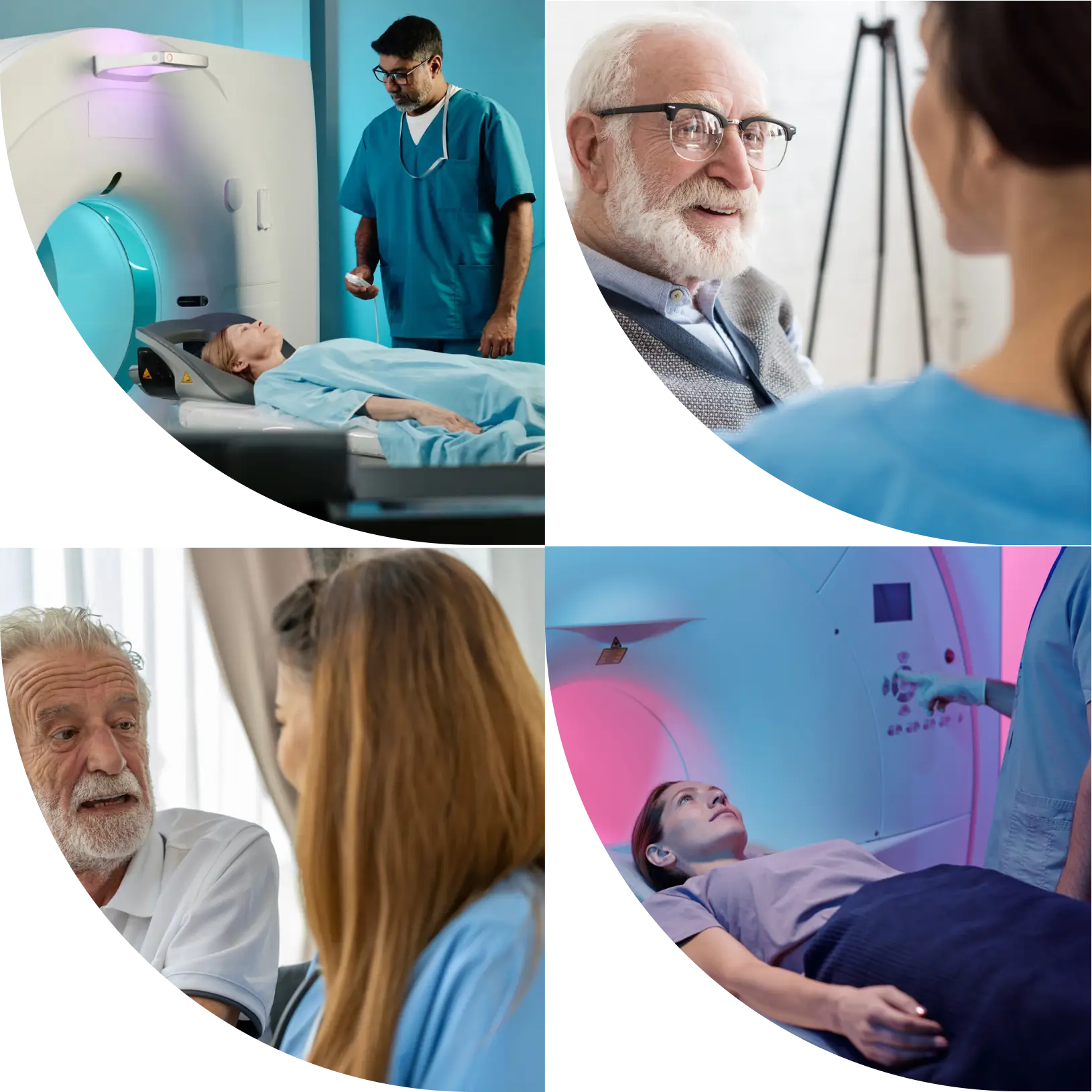
For most patients, stereotactic radiotherapy is a simple, convenient treatment with few side effects.
Before treatment begins, a personalised treatment plan must be prepared for each patient. A scan is performed in the radiotherapy department as part of these preparations.
Stereotactic radiotherapy is given as an outpatient treatment. A course of stereotactic radiotherapy is typically delivered over one to eight treatment sessions, usually scheduled on alternate weekdays.
Patients lie on the radiotherapy treatment machine, and a scan is performed to check the exact position of the tumour. When the radiotherapy machine is turned on, patients do not feel anything, but they may hear a buzzing sound.
You will have direct access to the radiotherapy team throughout your treatment and will be provided with contact numbers should you have any questions or concerns.
The side effects associated with a course of stereotactic radiotherapy depend on the area of the body being treated. Dr Dickinson will explain any potential side effects before treatment begins.
Fatigue is the most common side effect during radiotherapy. Pacing your activity, keeping up gentle exercise and planning rest around your treatment days all help. Treatment-related fatigue improves gradually in the weeks and months after treatment ends.
Radiotherapy to the chest can cause some people to develop a cough or feel more short of breath. There is a small risk of lung inflammation. Radiotherapy to the centre of the chest can cause temporary discomfort when swallowing. This usually heals in the 4-6 weeks after treatment. A few patients who receive stereotactic radiotherapy to the chest are at risk of developing a broken rib in the months or years after treatment.
Radiotherapy to the abdomen can cause some patients to experience nausea or a reduction in their appetite. This is usually mild and anti-sickness medicine will be provided as necessary. Some patients need to open their bowels more frequently, or develop loose stool/diarrhoea. These symptoms usually settle within days to weeks after treatment. There is a small risk of longer term damage to the bowel. Dr Dickinson will discuss all potential side effects before treatment starts.
The skin in the treated area may become slightly red or dark during treatment. This usually fades in the weeks after treatment. Some patients do not notice any change in the skin following radiotherapy. The radiotherapy team will advise you on how to care for your skin. Radiotherapy to the chest, abdomen or pelvis does not cause people to lose the hair on their head.
Treatment with stereotactic radiotherapy is painless. However, a small number of patients receiving treatment to a bone may experience a temporary increase in pain or discomfort in the treated area in the days or weeks following treatment. If this happens, the pain usually settles within a few days and can typically be managed with simple pain relief.
Stereotactic ablative radiotherapy (SABR) is an established treatment option for selected patients with early-stage lung cancer, typically tumours smaller than 5 cm that have not spread to nearby lymph nodes. It is particularly valuable for patients who are not suitable for surgery because of other health conditions, as well as for those who prefer to avoid an operation. For appropriately selected patients, SABR can achieve cancer control outcomes comparable to surgery.
In some patients, such as those with early-stage lung cancer, SABR is delivered with the aim of curing the cancer. For others, SABR may not be curative but can play an important role in controlling cancer, relieving symptoms, or treating small areas of disease that are progressing despite systemic treatments such as chemotherapy or immunotherapy. Before treatment begins, Dr Dickinson will discuss the goals of treatment and the outcomes you can realistically expect in your individual situation.
Re-irradiation, which involves giving radiotherapy to an area that has previously been treated with radiation, is a highly specialised area of cancer care. Dr Dickinson has extensive experience in assessing and treating patients who may benefit from re-irradiation and regularly receives referrals from across the region. Dr Dickinson has access to advanced MR-guided radiotherapy (MR Linac) technology, which provides detailed imaging during treatment and can improve accuracy in selected cases. This additional precision can be particularly valuable when treating cancers close to important organs or in areas that have received previous radiotherapy.
Whether stereotactic radiotherapy (SABR) is a suitable treatment depends on several factors. These include the size and location of the cancer, whether it is close to important organs or tissues, the stage of the disease, and any previous treatments you may have received in the same area.
When considering SABR for cancer that has spread to other parts of the body, it is also important to look at the overall behaviour of the cancer. This includes how many metastatic sites are present, how quickly the cancer is changing, and how well it is responding to treatments such as chemotherapy, immunotherapy, or targeted therapies.
Your overall health is equally important. Dr Dickinson will consider whether SABR can be delivered safely and whether it is likely to offer meaningful benefit based on your individual circumstances and treatment goals.
Every patient is different. During your consultation, Dr Dickinson will carefully review your scans, medical history, and current treatments to determine whether SABR is an appropriate option and discuss any alternative treatments that may be more suitable.
Treatment costs vary depending on the type of radiotherapy required, the number of treatment sessions, the technology used, and whether your care is funded through private medical insurance or self-funding. If you have private medical insurance, the radiotherapy team will liaise with your insurer to obtain treatment authorisation before your first appointment. If you are self-funding, we will provide a clear written cost estimate and a full explanation of the charges before arranging any appointments or treatment.
Most patients have a follow-up scan several weeks after completing a course of stereotactic radiotherapy. This allows Dr Dickinson to assess the response to treatment and check for any evidence of new cancer elsewhere. Patients with prostate cancer will also have their PSA levels monitored as part of their follow-up care. If you are receiving other treatment such as chemotherapy with another specialist team, Dr Dickinson will work closely with your treating doctors to coordinate follow-up imaging and ongoing care.

Your message has been received and will be read personally by Dr Dickinson. If you requested a response, someone from the team will be in touch within 2 working days. Your honesty genuinely helps us deliver better care to every patient we see.
Every patient's situation is different, and the quickest way to find out whether Dr Dickinson is the right specialist for you is to share a few details. Send a brief enquiry with your diagnosis and your most recent specialist letter to get started.