
Key takeaways
- SABR is a highly precise form of radiotherapy that delivers very high doses of radiation in just 1 to 8 treatment sessions
- It is an established treatment for selected patients with early-stage lung cancer, particularly tumours up to 5 cm in size that have not spread to lymph nodes or other parts of the body.
- SABR offers an effective alternative to surgery, especially for patients who are not suitable for an operation because of other health conditions or who prefer a non-invasive treatment approach.
- Treatment is carefully planned and personalised to create an accurate radiotherapy plan that targets the tumour while protecting nearby organs and normal tissues.
- Most patients tolerate SABR well, with mild fatigue being the most common side effect, and regular follow-up, including a CT scan around three months after treatment, is used to assess the response and monitor for any recurrence.
- SABR achieves cancer outcomes which are similar to surgery for early lung cancers.
Stereotactic ablative radiotherapy (SABR) is an established and highly effective treatment for selected patients with early-stage lung cancer. This guide explains who may be suitable for SABR, how the treatment is delivered, and what patients can expect before, during, and after treatment.
What is Stereotactic Radiotherapy?
Radiotherapy is delivered by a machine called a linear accelerator (often called a Linac). High doses of standard radiotherapy are delivered by giving a small dose of radiotherapy on consecutive working days, usually over a period of weeks.
Stereotactic radiotherapy, sometimes called Stereotactic Ablative Radiotherapy (SABR), is a highly precise form of radiotherapy. Compared to standard radiotherapy, SABR uses more advanced imaging to deliver larger doses of radiotherapy in fewer treatment sessions. From a cancer’s perspective, the dose delivered by stereotactic radiotherapy is much higher than that delivered by standard radiotherapy techniques. This higher dose can lead to improved control of a cancer. Because stereotactic radiotherapy is very precise, it is possible to minimise damage to surrounding healthy tissues. Treatment is usually delivered on alternate working days, and is often delivered in 1-8 treatment sessions.
Who can have SABR for lung cancer?
Following a diagnosis of early-stage lung cancer, the cancer team will assess the available treatment options and recommend the approach that is most likely to achieve the best outcome for a patient. For many patients with early-stage lung cancer, the main treatment options are surgery or radiotherapy.
In general, the following lung cancers are suitable for treatment with stereotactic radiotherapy:
- Tumours up to 5cm in diameter.
- Tumours which have not moved to nearby lymph nodes or other areas of the body.
- A tumour in the outer part of the lung, away from the main airways.
- A treatment option for patients who are not suitable for surgery due to other health conditions, or do not want to have an operation
- Patients must be well enough to attend for treatment

Dr Peter Dickinson
Dr. Peter Dickinson is a Consultant Clinical Oncologist renowned for his specialized expertise in treating thoracic malignancies and complex metastatic diseases. Utilizing cutting-edge technologies like the MR Linac, he delivers highly precise Stereotactic Ablative Radiotherapy (SABR) that adapts to real-time tumor movements while protecting surrounding healthy tissue. Deeply committed to both clinical research and empathetic care, Dr. Dickinson meticulously tailors every treatment plan to ensure his patients clearly understand their diagnosis and receive the most advanced therapeutic options available.
Why the position of your tumour matters so much
Tumours located in the centre of the chest can lie close to critical structures such as the heart, major airways, and oesophagus. When delivering stereotactic radiotherapy for lung cancer, it is essential to minimise radiation dose to these organs to reduce the risk of treatment-related side effects. Historically, many centres have been reluctant to offer SABR for tumours within 2 cm of these structures because of concerns about side effects. However, advanced technologies such as the MR Linac can improve treatment precision and help reduce the dose delivered to surrounding healthy tissues, potentially making SABR to the centre of the chest an option for carefully selected patients.
Should patients have surgery or SABR for early stage lung cancer?
Both surgery and stereotactic ablative radiotherapy (SABR) are highly effective treatment options for patients with early-stage lung cancer. In the UK, surgery is generally considered the standard treatment for patients who are fit enough to undergo an operation. However, some patients are not suitable surgical candidates because of other medical conditions or because the risks of surgery are considered too high. Others may prefer to avoid an operation. For these patients, SABR offers an effective, non-invasive alternative with excellent rates of local tumour control.
What happens before your treatment starts
Before treatment can be recommended, patients with suspected lung cancer undergo a series of investigations to confirm the diagnosis, determine whether the cancer has spread, and assess their overall fitness for treatment. These investigations typically include a CT scan, a PET-CT scan, pulmonary function tests (breathing tests), and, where feasible, a biopsy to establish the diagnosis. These results are then reviewed by a team of specialists, who recommend the most appropriate treatment or range of treatment options. If stereotactic radiotherapy is recommended as a treatment option, the patient will be invited to attend a clinic appointment to discuss the treatment in detail. They will have the opportunity to ask questions and, if they decide to proceed, will be asked to provide informed consent before treatment begins.
Preparing your course of treatment
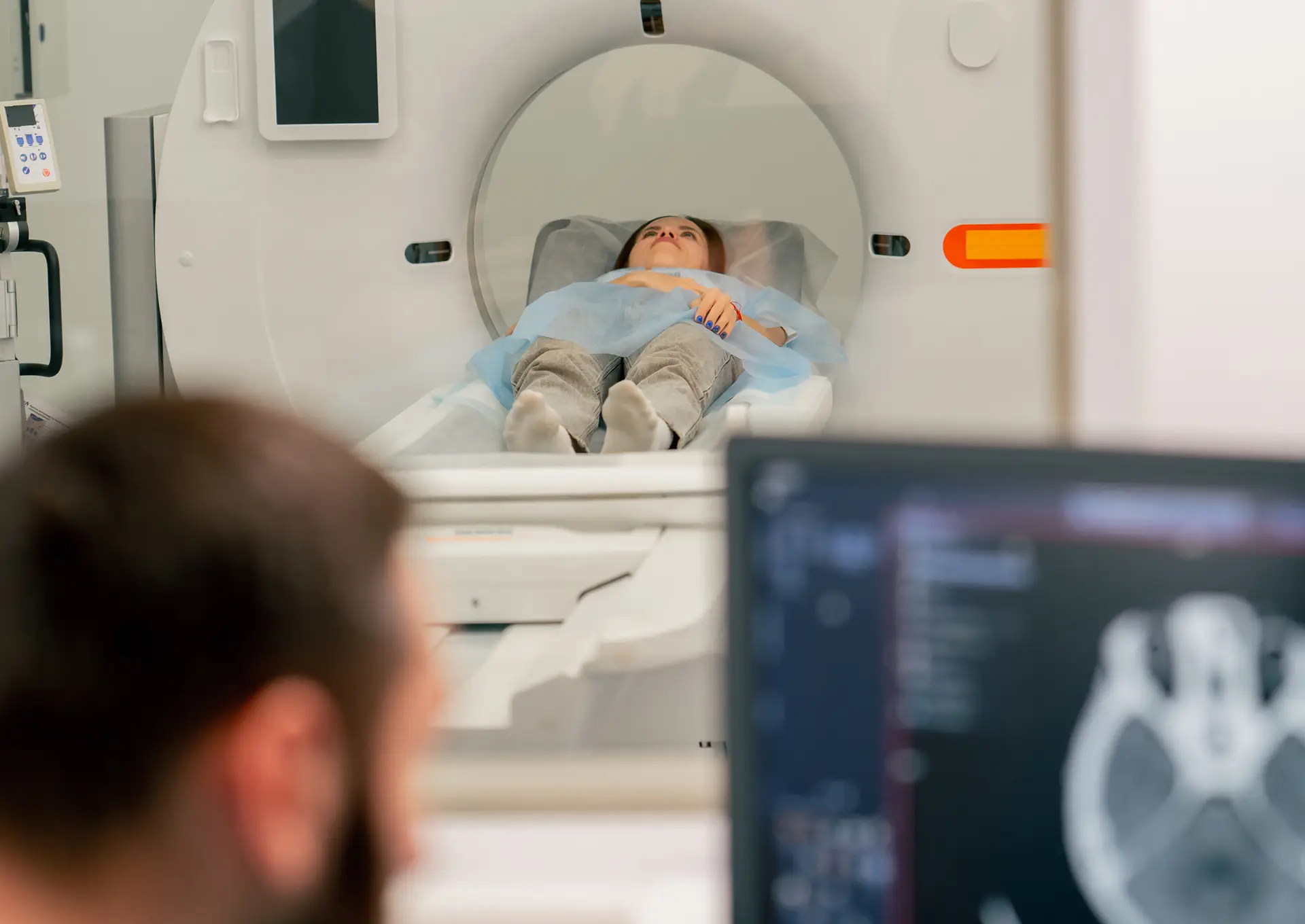
Stereotactic radiotherapy is delivered using a specialised treatment machine known as a linear accelerator, or ‘Linac’. Before treatment can begin, a personalised radiotherapy plan must be developed for each patient. Although patients will often have undergone several scans as part of their cancer diagnosis, a dedicated radiotherapy planning scan is still required. This is usually performed using a CT scanner, and some patients may also undergo a planning MRI scan.
These scans are performed specifically for radiotherapy planning and enable the treatment team to identify the target area and surrounding normal tissues with a high degree of accuracy. During the scans, patients are carefully positioned, often with the aid of supports, to ensure they remain both comfortable and still. Using these images, the radiotherapy team creates an individual treatment plan that precisely calculates how the radiation dose will be delivered to the tumour while minimising exposure to nearby healthy tissues. The planning process typically takes several days and undergoes rigorous quality assurance checks before treatment begins.
Not sure whether SABR is an option in your case?
Dr Peter Dickinson can review your diagnosis and scans, and talk through how SABR compares with the alternatives for your situation.
Treatment delivery
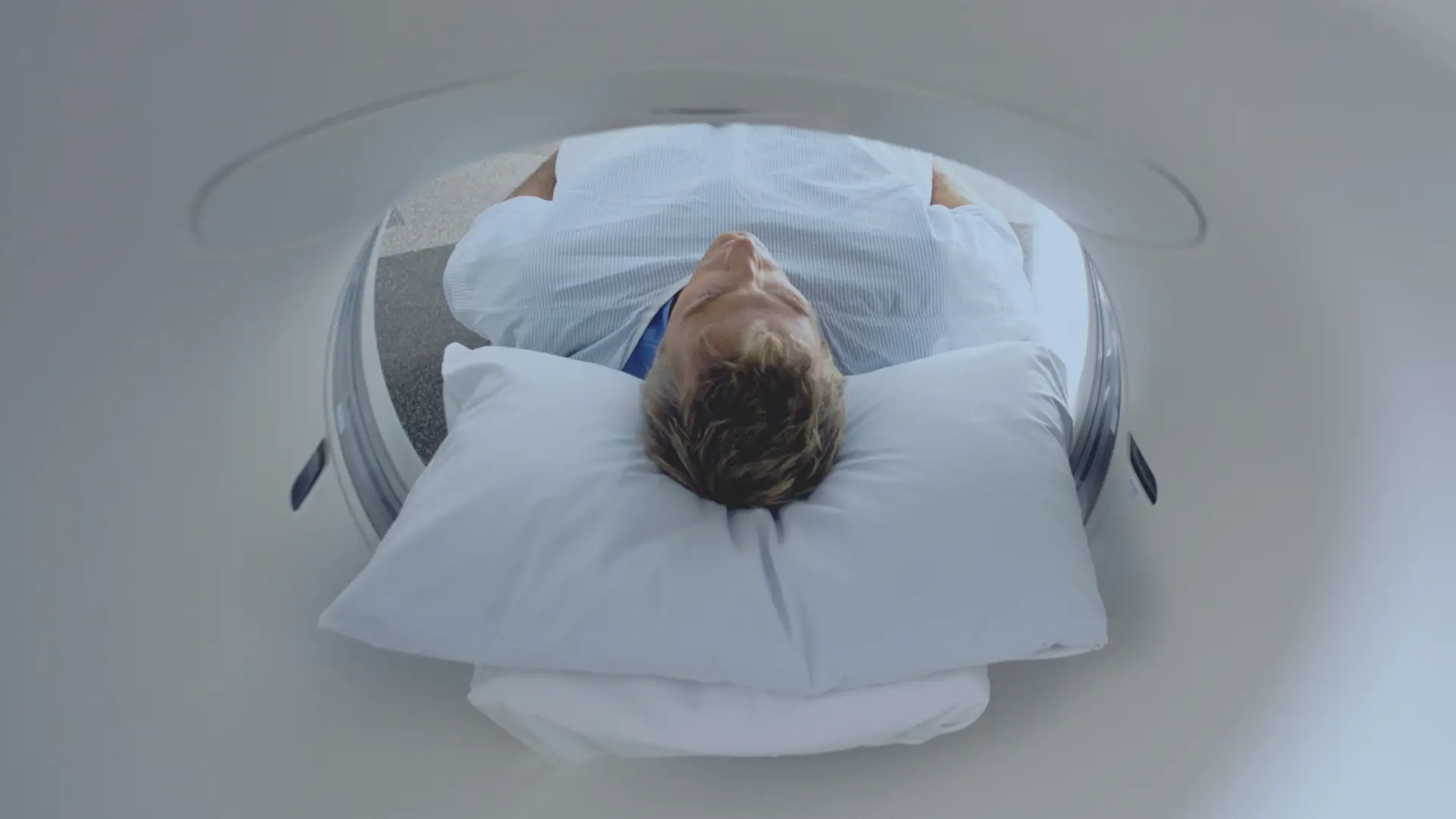
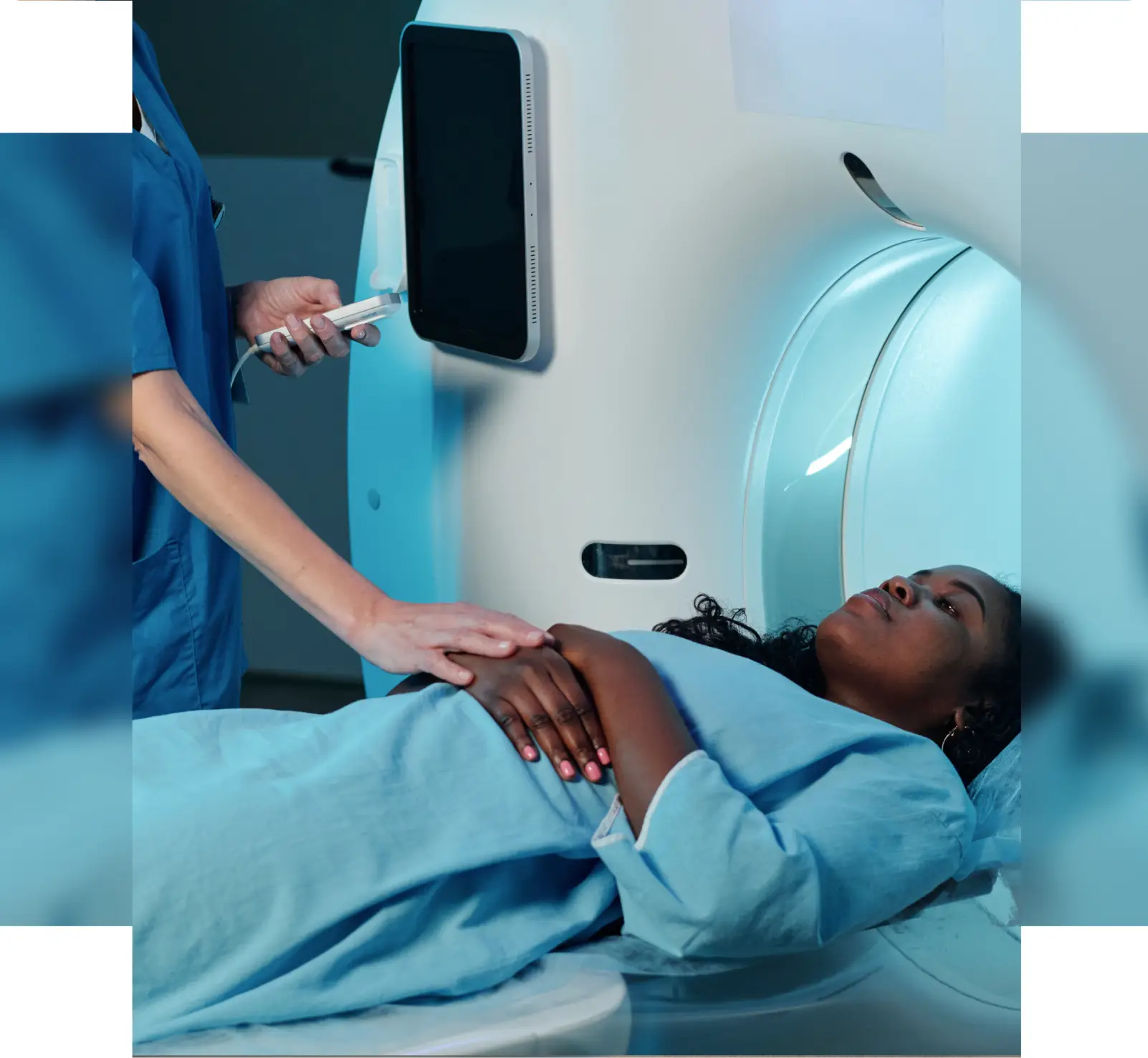
Stereotactic radiotherapy is given as an outpatient treatment. Patients lie on the radiotherapy treatment machine and a scan is performed to check the exact position of the tumour. When the radiotherapy machine is turned on, patients do not feel anything, but they may hear a buzzing sound. On a standard radiotherapy machine, it often only takes 1-2 minutes to deliver the treatment. It takes longer to deliver a dose of radiotherapy on a different type of radiotherapy machine called an MR Linac.
Once treatment has been delivered a patient can go straight home. Patients are not radioactive after treatment and do not need to isolate from children or other people. Patients who drive are often able to drive themselves to and from appointments.
The number of treatment sessions depends on the location of the tumour. Stereotactic radiotherapy to the lung is typically given in one, three, five or eight sessions. Treatment is usually given on alternate weekdays. Patients are given appointments for all their treatment sessions before they start treatment.
What are the side effects of SABR to the lung?
Most patients tolerate SABR well, with mild fatigue being the most commonly reported side effect. Some patients may also experience a dry cough, shortness of breath, or inflammation of the lung. A small proportion of patients develop chest wall discomfort or a rib fracture in the months or years after treatment, particularly when the tumour is located close to the ribs. Overall, serious side effects are uncommon, and the treatment is generally well tolerated.
Follow up after lung SABR
Following a course of stereotactic radiotherapy for early-stage lung cancer, patients require regular follow-up to monitor their recovery, assess for any treatment-related side effects, and evaluate the effectiveness of treatment. As the effects of radiotherapy continue to develop over time, it can take several weeks or months for the treated cancer to shrink. For this reason, the first follow-up CT scan is usually performed approximately three months after treatment. This scan helps assess the response to treatment and checks for any evidence of new or recurrent cancer.
Following SABR, it is common for a scar to develop at the site of the treated tumour. This scarring is an expected consequence of successful treatment and can be monitored on subsequent scans. If the appearance of the scar remains stable over time, this provides reassurance that the cancer remains under control. Any changes on follow-up imaging are assessed carefully by the clinical team to determine whether further investigation is required.
How effective is SABR as a treatment for lung cancer?
For appropriately selected patients with early-stage lung cancer, SABR controls the treated tumour in more than 9 out of 10 cases. For patients who cannot have surgery, it offers an excellent chance of long-term cancer control
Contact your oncology team the same day if you have
- Breathlessness that is getting worse, especially six to 12 weeks after treatment
- A temperature with a cough that is not improving
- Any blood when you cough
- New or worsening chest pain
Questions worth taking to your next appointment
- Where exactly is my tumour, and is it outer or central?
- How many sessions will I have, and why that number for me?
- Was surgery considered, and what ruled it out?
- Which side effects are most likely, given where my tumour is?
- What will my follow-up scanning schedule be?
- Who do I call if I become breathless afterwards?
You may want to talk through whether SABR is an option for you. You may also want a second opinion on a plan you have been offered. You can arrange a consultation with Dr Peter Dickinson.
Frequently asked questions
How long does SABR treatment for lung cancer take?
The whole course is three, five or eight sessions, given on alternate days, so it is finished within one to two weeks. Each appointment takes 30 to 60 minutes in the department. Most of that time is spent checking your position rather than treating you.
Does SABR hurt?
You will not feel anything while the beams are on. There is no heat or tingling, and the machine never touches you. It is noisy and moves close to you, which can feel strange at first. You can speak to the radiographers through an intercom at any point.
Will I be radioactive after SABR?
No. The radiation comes from a machine outside your body, and nothing is left inside you. You are safe to be around other people straight after each session, including children and anyone who is pregnant.
How many SABR sessions will I need?
Usually three, five or eight, depending on where your tumour sits rather than how serious it is. An outer tumour away from the ribs is normally treated in three sessions. One touching the ribs is normally treated in five. A central tumour is normally treated in eight.
What is the difference between SABR and SBRT?
They are the same treatment. SABR is the term used in the UK and in national guidance. SBRT is used in the United States and in older research. CyberKnife is not a separate treatment either, but the brand name of one machine that can deliver it.
Is SABR as good as surgery for early lung cancer?
For someone fit enough for an operation, surgery is still the standard treatment in the UK. NICE recommends SABR for stage 1 to 2A non-small cell lung cancer when surgery is unsafe or declined. Trials comparing the two in people fit for both have struggled to recruit, so there is no firm answer for that group.
Why does my scan look worse after SABR?
SABR leaves permanent scarring in the treated area, and on a CT scan this can look like a mass. It usually appears within six months and then settles. Ask whether what the scan shows fits with expected scarring before assuming the cancer has returned.
Is SABR available on the NHS?
Yes. SABR for early non-small cell lung cancer is routinely available on the NHS and is recommended by NICE. It is delivered at designated cancer centres rather than every hospital, so you may need to travel further for treatment.
References
- National Institute for Health and Care Excellence. (2019, updated 2026). Lung cancer: diagnosis and management (NG122). Accessed 28 July 2026 – https://www.nice.org.uk/guidance/ng122
- UK SABR Consortium. (2019). Stereotactic Ablative Body Radiation Therapy (SABR): A Resource, version 6.1. Accessed 28 July 2026 – https://www.sabr.org.uk/wp-content/uploads/2019/04/SABRconsortium-guidelines-2019-v6.1.0.pdf
- Macmillan Cancer Support. Stereotactic ablative radiotherapy (SABR). Accessed 28 July 2026 – https://www.macmillan.org.uk/cancer-information-and-support/treatment/types-of-treatment/radiotherapy/external-beam-radiotherapy/stereotactic-ablative-radiotherapy-sabr
- NHS. Lung cancer treatment. Accessed 28 July 2026 – https://www.nhs.uk/conditions/lung-cancer/treatment/
- Roy Castle Lung Cancer Foundation. Accessed 28 July 2026 – https://roycastle.org/