
Conventional radiotherapy is a cancer treatment that uses targeted beams of high-energy X- rays to destroy cancer cells. Radiation is delivered using a machine called a linear accelerator (linac). A linac aims the X-ray beam directly at the tumour. Unlike systemic therapies (e.g chemotherapy, immunotherapy) that travel throughout the body, radiotherapy is a local treatment, affecting only the area being treated. Advanced radiotherapy technology allows Dr Dickinson to shape the radiation beam to the tumour and reduce the dose to nearby healthy tissue.
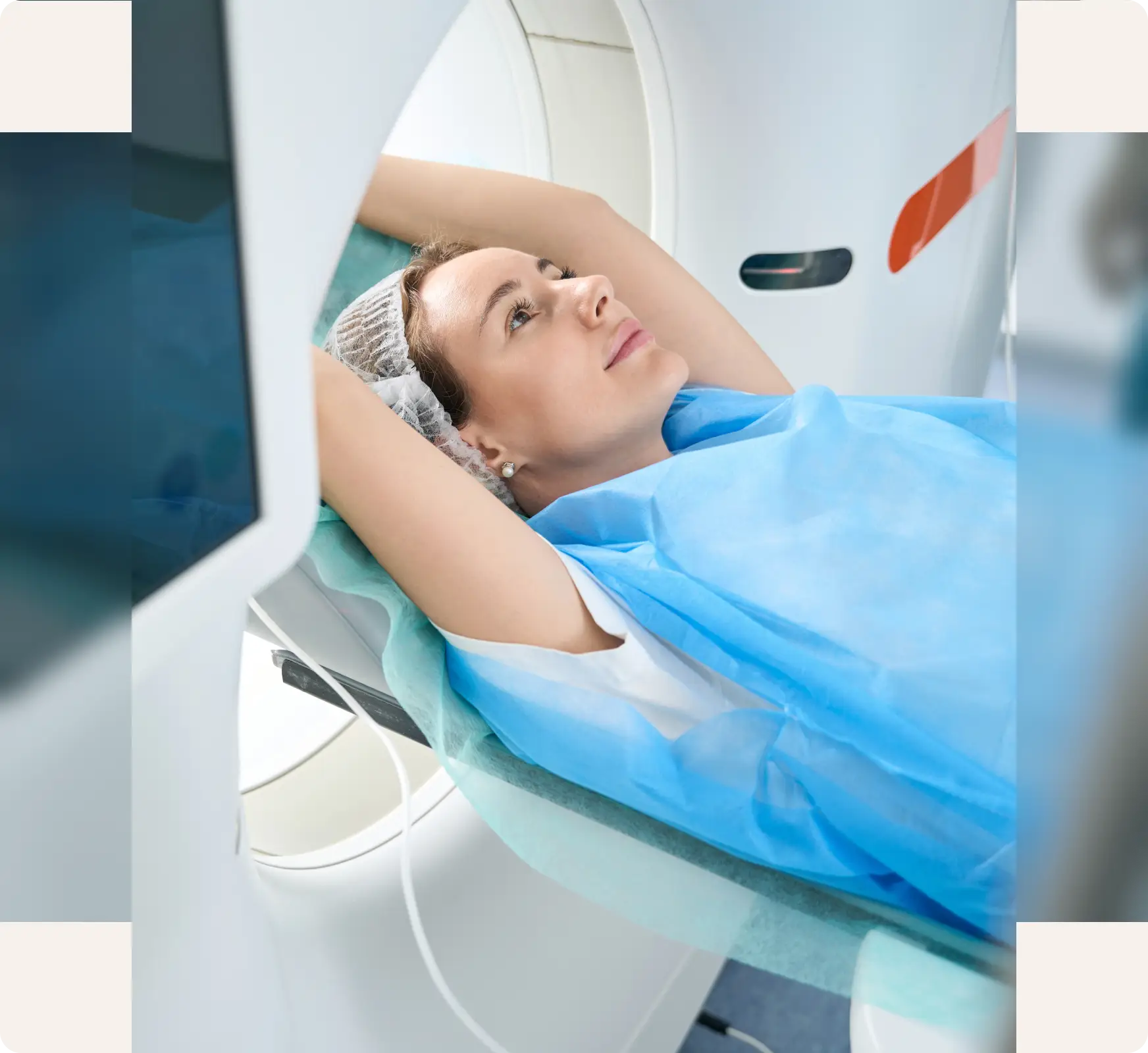
Conventional radiotherapy typically delivers a dose of radiation to a cancer every weekday for a number of days or weeks. Depending on the aim of treatment, a course of radiotherapy may be delivered in a single session, or every working day for up to 6 weeks. Computers are used to create a treatment plan which is individualised for every patient.
Conventional radiotherapy is an effective treatment for a wide range of cancers. In localised or locally advanced cancers, conventional radiotherapy can be used with the aim of curing cancer. It can be used alone or in combination with systemic therapy. In cases of advanced cancer, radiotherapy can be used to relieve symptoms caused by cancer, such as pain.
Radiotherapy is central to treating both early-stage and locally advanced lung cancer. For patients who cannot have surgery, radiotherapy alone can be given to with the aim of curing a patient of lung cancer. For advanced disease, radiotherapy can be used to target areas of cancer that are not controlled by chemotherapy, or to improve symptoms such as a cough.
When cancer has spread to only a small number of sites (oligometastatic disease), radiotherapy can be used to defer the need for further systemic therapy, or be used in combination with systemic therapy to maximise tumour control. Dr Dickinson may use stereotactic radiotherapy (SABR) in this situation, but conventional radiotherapy remains a valuable treatment when a tumour is not suitable for SABR.
Pain is a common symptom in patients who have mesothelioma. Radiotherapy can be used as a treatment to reduce cancer-related pain, and may allow a patient to reduce their dose of painkillers.
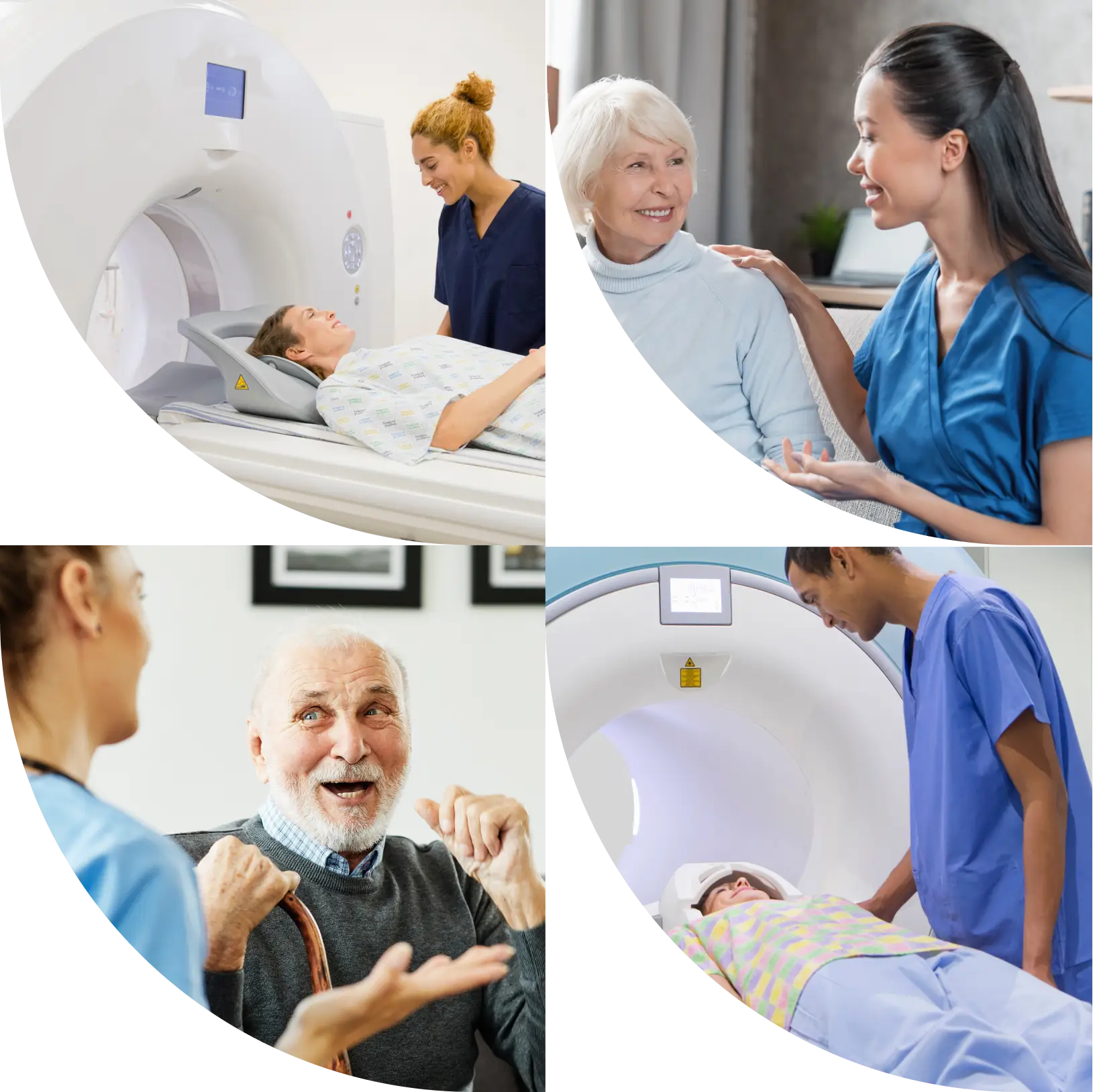
Whilst the prospect of needing radiotherapy can feel very daunting, having a course of radiotherapy is often more manageable and straightforward than many people expect. Here is what a course of conventional radiotherapy typically involves.
A personalised course of radiotherapy needs to be prepared before your treatment can start. You attend the radiotherapy centre for a CT scan approximately one week before your treatment starts.
You do not feel anything when the radiotherapy machine is turned on, but you may hear a buzzing noise in the room. Once you are lying in the correct position on the radiotherapy machine, it takes just a minute or two to deliver a dose of radiotherapy.
Radiotherapy is delivered at any GenesisCare UK centre or St James's University Hospital, Leeds. GenesisCare is opening a cancer centre in Leeds in 2027. Treatment is delivered as a day case; once you have received radiotherapy, you are able to leave - there is no need for hospital admission or overnight stays.
You will have direct access to the team throughout treatment. You will see Dr Dickinson weekly to monitor progress, manage side effects, and adjust your treatment if needed. If you experience new or worsening symptoms between appointments, please contact the team immediately.
Radiotherapy side effects are generally predictable and can usually be managed effectively. The type of side effects you may experience will depend on the area of the body being treated and the dose of radiotherapy.
Before treatment begins, Dr Dickinson will explain the possible side effects relevant to your treatment, including how likely they are to occur and what can be done to minimise them.
If you develop any side effects during or after treatment, Dr Dickinson and his team will provide ongoing support and advice to help manage your symptoms promptly and effectively. The aim is not only to deliver treatment safely, but also to help you maintain the best possible quality of life throughout your care
Tiredness is the most common side effect experienced by people receiving a course of radiotherapy. It usually begins in the second or third week of treatment and improves in the weeks after treatment.
Pacing your activities, maintaining gentle movement (short walks, stretching), and planning rest around your treatment days all help. Radiotherapy-related fatigue is often mild and patients usually continue to care for themselves as they were doing before treatment started.
Many patients do not notice any skin changes during a course of radiotherapy. Other patients notice that skin in the area being treated can become red or darker in colour. If these changes occur, they generally fade over a number of weeks. The radiotherapy team will give you advice on how to care for your skin during radiotherapy and what to do if your skin becomes red or sore.
Some patients can develop a dry cough or feel more short of breath after a course of radiotherapy to the chest. A few patients develop inflammation in the lung following a course of radiotherapy to the chest. This typically occurs 4-12 weeks after a course of radiotherapy and is sometimes treated with a course of steroids.
Some patients receiving radiotherapy to the chest develop temporary discomfort when swallowing. This typically begins 1-2 weeks after the start of treatment. This side effect is more likely if the cancer lies close to the centre of the chest. Dr Dickinson can provide medications to ease these symptoms, and eating softer foods is easier. Any discomfort swallowing usually completely gets better in the weeks after treatment.
Nausea is not a common symptom in patients receiving radiotherapy to the chest. Nausea is more common when the treatment area includes the abdomen or pelvis. The team can provide anti-sickness medication if this is needed. Patients do not lose their hair unless they are receiving radiotherapy to the scalp. Dr Dickinson will describe all possible side effects to you in full prior to a course of radiotherapy.
Most side effects resolve in the weeks or months after a course of radiotherapy to the chest. Long-term (or late) effects can appear months or years after treatment, such as a dry cough, scarring in the lung or, rarely, narrowing of the gullet (oesophagus).
If you can't find the answer you're looking for here, please don't hesitate to get in touch.
Conventional radiotherapy uses targeted X-rays to destroy cancer cells. It is a local treatment often delivered over several days or weeks as an outpatient. Unlike systemic therapies (chemotherapy, immunotherapy), radiotherapy only affects the area being treated.
Once you are lying in the correct position on the radiotherapy machine, it takes just a minute or two to deliver a dose of radiotherapy. Patients are usually in the radiotherapy centre for less than half an hour. Treatment is typically given on consecutive days, Monday to Friday. Treatment is not usually delivered on a Saturday or Sunday.
No. Patients are not radioactive after treatment and do not need to isolate from children or other people. The radiation beam turns off the moment the machine stops. Your body does not retain radioactivity after treatment.
It is possible to continue to work, but you will need to attend the radiotherapy centre Monday to Friday for treatment. How you feel will depend on the treatment that you are given, your role at work, and how your body responds. Some people feel well enough to maintain much of their routine; others prefer to scale back. Your treatment will be planned with your individual circumstances in mind and adapted if necessary.
These depend on the area of the body being treated. The most common side effect is fatigue. Other common side effects associated with radiotherapy to the chest are a cough, shortness of breath, inflammation of the lung, or temporary discomfort swallowing. Not all patients experience these side effects, and the radiotherapy team will help you manage those that do occur.
It takes time for a cancer to shrink after a course of radiotherapy. For this reason, the first post-treatment scan is often performed several weeks after treatment. This enables Dr Dickinson to make a more accurate assessment of how the cancer has responded to treatment.
Conventional radiotherapy typically delivers a smaller dose of radiotherapy each day over a period of days or weeks. SABR delivers a larger dose of radiotherapy in fewer treatment sessions. Some cancers are not suitable for treatment with SABR and can only be treated safely with conventional radiotherapy. Dr Dickinson will advise on the best type of radiotherapy for each individual patient.
This depends on the type of cancer type and stage. Early-stage disease may be treated with radiotherapy alone. Advanced or high-risk disease often benefits from combined-modality treatment (radiotherapy plus systemic therapy). Dr Dickinson will recommend the best approach for your specific situation.
Yes. Radiotherapy is often combined with surgery, chemotherapy, or immunotherapy. Previous treatments sometimes change how we plan radiotherapy, but they rarely prevent radiotherapy entirely.

Your message has been received and will be read personally by Dr Dickinson. If you requested a response, someone from the team will be in touch within 2 working days. Your honesty genuinely helps us deliver better care to every patient we see.
Every patient's situation is different, and the quickest way to find out whether Dr Dickinson is the right specialist for you is to share a few details. Send a brief enquiry with your diagnosis and your most recent specialist letter to get started.